
Manzar Naqvi
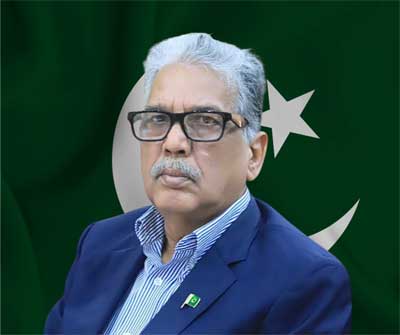
KARACHI: Iran will once again succeed in resisting what it describes as US-led “economic terrorism,” senior Iranian diplomat Saeed Khatibzadeh has said, accusing Washington of using sanctions and maximum economic pressure to weaken the resilience of the Iranian people.
Khatibzadeh, Head of the Center for Political and International Studies at Iran’s Ministry of Foreign Affairs, made the remarks while speaking to IRNA on the sidelines of a ceremony marking the International Day of Remembrance and Tribute to the Victims of Terrorism.
Referring to the continuation of Washington’s maximum-pressure policy and economic sanctions, Khatibzadeh said the Iranian government would mobilise all available capacities and strengthen coordination among different branches of the state to counter the impact of sanctions.
He said the government would continue its efforts to neutralise restrictive measures while safeguarding Iran’s national interests and security.
“The Iranian nation, as in the past, will prevail through resistance,” Khatibzadeh said, arguing that the continuation of economic pressure reflected the failure of previous attempts to force Tehran into submission.
He also referred to statements by the US president concerning economic warfare against Iran, saying Washington had for years sought to exert pressure on the Iranian people while repeatedly promoting what he called “flawed narratives” through international media.
According to Khatibzadeh, the objectives behind sanctions have become increasingly explicit.
“They explicitly say they impose sanctions to make the Iranian nation desperate and to exhaust the people’s resilience,” he said.
Tehran has consistently maintained that broad economic sanctions, despite being officially directed against the Iranian state, ultimately affect ordinary citizens by restricting financial transactions, trade and access to international markets.
Khatibzadeh said such measures should be viewed in the broader context of terrorism because, in Iran’s assessment, civilians are the principal victims of economic coercion.
“Today, we are also facing economic terrorism whose victims are ordinary people of Islamic Iran,” he said.
Elsewhere in his remarks, the senior Iranian official referred to the Shajareh Tayyebeh school massacre in Minab, describing it as another manifestation of terrorism and stressing the need for international recognition of victims of such acts.
Khatibzadeh said Iran had also intensified its diplomatic and legal efforts to document incidents that Tehran regards as acts of terrorism.
Over the past year, he said, the Iranian Ministry of Foreign Affairs had prepared hundreds of international documents concerning new acts of terror and submitted them to relevant international organisations.
His remarks come as Tehran continues to denounce economic sanctions as an unlawful instrument of coercion while stressing that pressure will not force the country to abandon what it considers its legitimate national and security interests.
Iranian officials have repeatedly called for an end to unilateral sanctions and argued that differences between states should be addressed through diplomacy and negotiations rather than economic measures that adversely affect civilian populations.
Khatibzadeh reiterated that despite continuing external pressure, Iran would rely on national resilience and institutional cooperation to confront sanctions and protect the country’s interests.