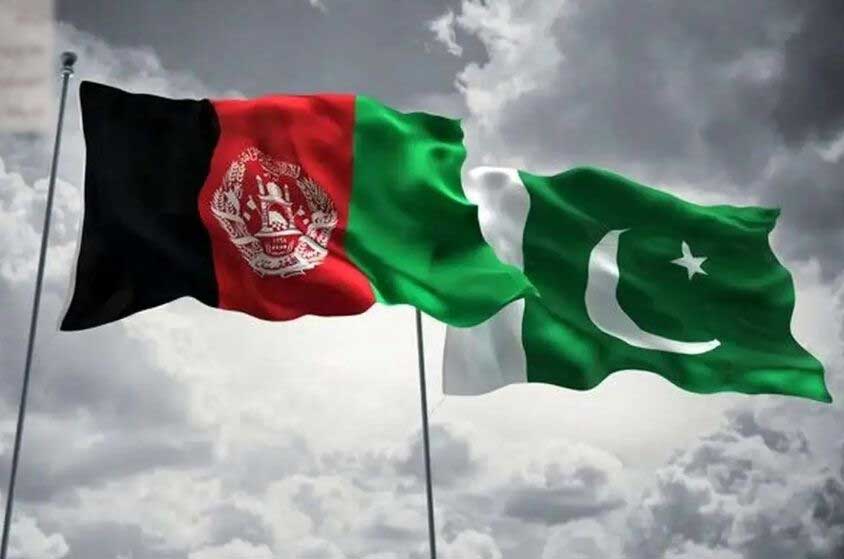
KARACHI: The recent ceasefire agreement between Pakistan and Afghanistan, brokered through mediation by Qatar and Türkiye, has been hailed by diplomats, analysts, and regional observers as a rare and significant opportunity to restore calm and rebuild trust after days of intense border clashes.
The truce, finalized in Doha, comes after escalating cross-border violence along the Pak-Afghan frontier, where unprovoked aggression by Afghan Taliban forces and elements of the banned Tehreek-e-Taliban Pakistan (TTP) prompted retaliatory strikes by Pakistan’s security forces. The clashes had claimed multiple lives and disrupted border trade routes before both sides agreed to halt hostilities.
Under the agreement, both countries pledged to prevent future violations and establish a joint verification mechanism to ensure accountability for any ceasefire breaches. Diplomats familiar with the negotiations said that discussions also covered measures to curb terrorism originating from Afghan soil – a longstanding concern repeatedly raised by Islamabad.
Experts have welcomed the truce but cautioned that its sustainability will depend on political will and enforcement. Former Ambassador Manzoor-ul-Haq described the ceasefire as a “constructive development,” adding that “this agreement must serve as a foundation for consistent dialogue and a long-term mechanism to address cross-border militancy.”
Adnan Sarwar Khan, former Chairman of the International Relations Department at the University of Peshawar, called the agreement “a positive breakthrough,” while urging the Afghan Taliban government to dismantle sanctuaries of TTP and other militant groups operating within Afghanistan. “If these structures remain intact, peace will remain temporary and fragile,” he said.
Field Marshal Syed Asim Munir, Chief of Army Staff, in his recent address at the Pakistan Military Academy (PMA) Kakul, echoed a similar sentiment, urging the Afghan leadership to “choose peace over violence.” He warned that “every proxy network of our neighbor will be raised to dust,” reaffirming Pakistan’s resolve to eliminate terrorism while maintaining a preference for peaceful engagement.
Officials confirmed that the ceasefire was reached following multiple diplomatic rounds, with Pakistan’s delegation led by Defence Minister Khawaja Muhammad Asif and the Afghan side represented by Acting Defence Minister Mullah Yaqoob. A follow-up meeting is scheduled for October 25 in Istanbul to discuss mechanisms for long-term stability and border management.
Since the Taliban’s return to power in 2021, Pakistan has faced a renewed wave of terrorist attacks, particularly in Khyber Pakhtunkhwa and Balochistan, allegedly orchestrated from across the border. Islamabad has repeatedly urged Kabul to honor its commitments under the 2020 Doha Agreement by preventing its territory from being used for cross-border terrorism.
Security analyst Brigadier (Retd) Mehmood Shah said the ceasefire could serve as “a turning point if implemented in good faith.” However, he warned that “continued tolerance of TTP activities inside Afghanistan could derail the process once again.”
Observers also noted the broader regional implications of the truce. The 2,500-kilometer porous border between Pakistan and Afghanistan is not only a security flashpoint but also a key economic lifeline for regional trade. Resumption of normalcy could help restore cross-border commerce, ease humanitarian strain, and open opportunities for cooperation under initiatives such as CPEC and CASA-1000.
Foreign policy experts believe that the involvement of Qatar and Türkiye – both close partners of Pakistan – played a crucial role in securing the breakthrough. “This mediation effort underscores the importance of regional diplomacy in South Asia’s security landscape,” said Dr. Zahid Anwar of the University of Peshawar.
He added that peace between Pakistan and Afghanistan is vital for broader regional stability: “A stable Afghanistan means a stable Pakistan – and both are essential for the economic future of Central and South Asia.”
While the ceasefire has brought temporary relief, officials on both sides acknowledge that the real test lies ahead. Turning this truce into a durable peace will require trust, coordination, and consistent enforcement.
For now, the guns have fallen silent. Whether this fragile calm can evolve into a lasting peace will depend on the sincerity of both Islamabad and Kabul – and their shared understanding that no nation can prosper while living under the shadow of endless conflict.
Ceasefire brings hope, but doubts linger over Pakistan-Afghan peace

Previous article

Next article