


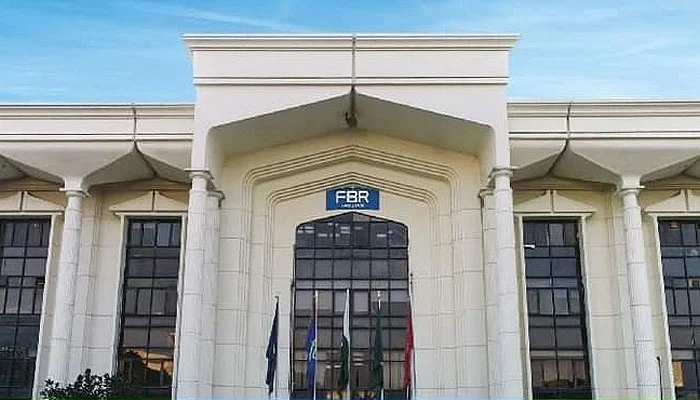
In a bid to resolve a $6 billion mismatch in Pakistan’s trade statistics, the Pakistan Bureau of Statistics (PBS) has begun receiving reconciled trade data from the Federal Board of Revenue (FBR) through the Pakistan Revenue Authority Limited (PRAL) and Pakistan Single Window (PSW).
According to senior officials, PBS will now share corrected trade figures for recent years with the World Trade Organisation (WTO) and the International Monetary Fund (IMF). “The PBS has started receiving data from both PRAL and PSW,” a top official confirmed on condition of anonymity.
The issue was raised during the IMF’s latest review mission in Islamabad held from September 28 to October 8, 2025. The IMF team was informed that discrepancies in Pakistan’s international trade data—particularly on the ITC Trade Map platform—had reached $6 billion for the fiscal year 2024–25.
PBS compiles its external trade data using inputs from Pakistan Customs, which are then reported to the International Trade Centre (ITC). Over recent years, a growing gap emerged between Pakistan’s reported imports and the export figures reported by its trading partners, particularly China. The average discrepancy with China alone was estimated at around $4.5 billion annually, raising concerns over under-invoicing and potential revenue losses.
Following the Prime Minister’s directives, the FBR established a special committee in April 2025 to identify the root causes of the inconsistencies, particularly in imports from China. The inquiry revealed that PBS was relying on an outdated data-extraction query from the WeBOC system—last updated in 2017 by PRAL—which only captured seven types of Goods Declarations (GDs). Since then, nine additional GD categories (including Export Facilitation Scheme, Temporary Imports, and Batch Data) had been introduced but were not included in the PBS system.
As a result, the reporting gap increased from 2 percent (about $1 billion) of total imports in FY2020 to nearly 12 percent (about $6.5 billion) in FY2024–25. The incomplete data inflow from Customs led PBS to report lower import figures, distorting Pakistan’s trade position in international databases.
Officials clarified that while the media had linked these discrepancies to the national trade deficit and foreign exchange irregularities, the actual trade deficit is calculated by the State Bank of Pakistan (SBP) based on financial instruments issued by banks for import payments. All imports are made through such instruments under the Import Policy, and Customs assessments are typically equal to or higher than these declared financial values to ensure full revenue capture.
PBS has now upgraded its system to include data from all GD types, a move expected to significantly reduce future mismatches in trade data published by the ITC. Officials further explained that other factors, such as exchange-rate variations, differences in HS codes, and ITC’s own methodological limitations, can also contribute to minor discrepancies.
The latest reconciliation effort, officials emphasized, dispels previous assumptions about large-scale under-invoicing or systematic revenue loss, particularly concerning imports from China.


 has begun receiving reconciled trade data)