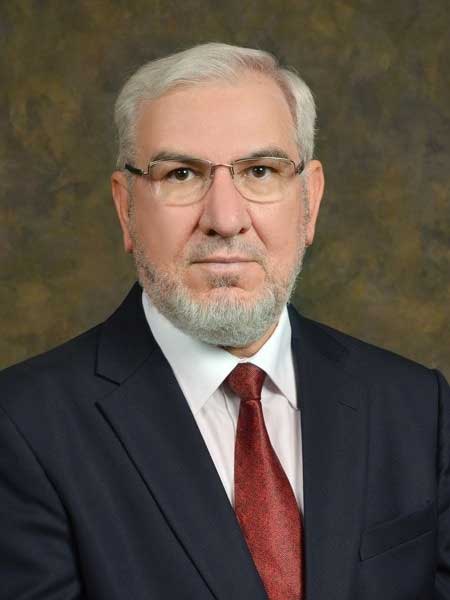


In every society, individuals who dedicate themselves to public service, social welfare, and addressing the concerns of ordinary people hold a special place. One of the most meaningful aspects of public life is the willingness to use one’s position and experience to improve society, guide young people, and support those in need. The political journey, public engagements, and welfare-related activities of Punjab Governor Sardar Saleem Haider Khan highlight several areas of public interest, including education, healthcare, sports, access to clean drinking water, and social welfare. These are fundamental sectors that directly influence people’s quality of life and the future of society. Giving attention to such priorities reflects the importance of placing human needs at the centre of social development.
Sardar Saleem Haider Khan assumed the office of Governor of Punjab on May 10, 2024. Before taking up this constitutional position, he served as a member of the National Assembly, Minister of State for Defence Production, and adviser to the Prime Minister on matters relating to overseas Pakistanis. Originally from Attock District, his political journey has taken him from local politics to national representation and, ultimately, to one of the province’s important constitutional offices. Political experience provides opportunities to understand the concerns of different communities, remain connected with public issues, and contribute to discussions on social development. His engagement with subjects such as education, healthcare, and welfare is particularly relevant because these areas have a direct bearing on the lives and aspirations of ordinary citizens.
One notable aspect of Sardar Saleem Haider Khan’s public engagement is his attention to education and the future of younger generations. Education is the foundation upon which prosperous, progressive, and self-reliant societies are built. No nation can fully realise its potential unless its young people have access to quality education, modern knowledge, and opportunities to develop practical skills. Pakistan’s youth are among the country’s most valuable assets, and strengthening educational institutions, universities, and vocational training centres is essential to making the most of this potential.
During a meeting with the Vice Chancellor of Khwaja Fareed University of Engineering and Information Technology in Rahim Yar Khan in February 2026, matters relating to quality education and the promotion of research in universities were discussed. Such engagements highlight the importance of higher education and the need to prepare young people for the demands of the modern world. Today, traditional academic qualifications alone are not enough. Expertise in artificial intelligence, information technology, engineering, scientific research, and other emerging fields is increasingly important. By expanding opportunities in these areas, young people can build better futures for themselves while making meaningful contributions to Pakistan’s development.
Expanding access to higher education for young people in Attock and its surrounding areas is also an important priority. Many talented students from rural communities must travel to major cities to pursue higher education. The availability of universities and modern educational institutions closer to home can make education more accessible and reduce the financial burden on families. In June 2026, Sardar Saleem Haider Khan expressed his pleasure regarding a proposed university project in Attock. An initial allocation of Rs1.5 billion was also expected to be considered for the project in the next financial year. The establishment of higher education institutions can open new doors to learning, research, and professional development. With sustained attention and effective planning, such initiatives can create promising opportunities for future generations.
Healthcare is directly connected to human life and remains one of the fundamental priorities of any welfare-oriented society. A healthy population is better equipped to participate in education, employment, and economic development. In June 2026, while discussing his welfare activities, Sardar Saleem Haider Khan stated that free dialysis centres were operating in all tehsils of Attock District. He also referred to the establishment of free medical centres in various villages. These initiatives draw attention to an important humanitarian concern, particularly for low-income families who often face considerable difficulties in meeting medical expenses.
Patients suffering from kidney disease require regular treatment, and the associated costs can place a substantial burden on their families. In such circumstances, access to free medical facilities can provide considerable relief and hope. When treatment is available within a patient’s own district, the difficulties associated with repeatedly travelling to distant cities may also be reduced. The true spirit of humanitarian service lies in recognising the challenges faced by people who experience additional hardships because of illness, poverty, or limited resources. Welfare activities in healthcare also encourage compassion, social responsibility, and cooperation within communities.
The installation of filtration plants in different areas of Attock, as mentioned by Sardar Saleem Haider Khan, is another initiative related to public welfare. Access to clean drinking water is essential for good health and an improved quality of life. In rural communities, the availability of safe drinking water can make everyday life easier and help reduce the risk of waterborne diseases. Effective clean-water projects can contribute not only to better health but also to children’s well-being and the overall welfare of families.
Clean drinking water is therefore much more than a basic facility; it is an essential element of human development. The long-term value of such projects increases when arrangements are made for regular maintenance, timely replacement of filters, and monitoring of water quality. Sustained attention to these facilities can help ensure that local communities continue to benefit from them over time.
In our society, many families struggle to meet the expenses associated with weddings because of limited financial resources. Marriage is an important and emotional occasion for parents, but financial difficulties can sometimes turn a moment of happiness into a source of anxiety. Collective wedding ceremonies can provide meaningful assistance to families who find it difficult to bear these expenses individually. According to information reported in June 2026, Sardar Saleem Haider Khan referred to the organisation of a collective wedding ceremony for 120 deserving couples. Such an initiative represents a message of support, dignity, and happiness for families in need.
The beauty of welfare activities lies in their ability to provide support while preserving the dignity and self-respect of those receiving assistance. Helping deserving families, supporting children’s education, facilitating medical treatment, and addressing basic needs strengthen the spirit of mutual cooperation. When people with the means to help work alongside public institutions and welfare organisations, many social challenges become easier to address. These collective efforts encourage compassion and a sense of shared responsibility, helping create a society in which people care about one another’s well-being.
Promoting sports and encouraging constructive activities among young people are also important aspects of social development. Sports improve physical fitness while fostering discipline, patience, teamwork, and self-confidence. Sports grounds provide young people with opportunities to demonstrate their abilities, participate in healthy competition, and engage in positive activities. According to news reports published in June 2026, Sardar Saleem Haider Khan referred to the organisation of a major floodlit sports tournament at Fateh Jang Sports Stadium.
Such activities can encourage local athletes and promote sporting enthusiasm among young people. Pakistan has many talented individuals in different sports, and providing them with suitable facilities, training, and opportunities is essential to helping them progress. Regular local competitions and access to coaching can help promising players develop their abilities and advance to higher levels of competition. Integrating sports with educational activities can also help nurture a generation that is physically healthy, confident, and actively involved in community life.
Agriculture, local industries, and exports are equally important to Pakistan’s economic development. The country produces a wide range of agricultural goods that can achieve greater recognition in international markets through improved quality, modern packaging, and effective promotion. During his participation in a dates festival in Lahore on September 7, 2026, Sardar Saleem Haider Khan encouraged efforts to increase Pakistani dates exports, adopt high-quality packaging, and engage overseas Pakistanis in promoting local products internationally.
Greater international recognition of Pakistani products can create new opportunities for farmers, traders, businesses, and exporters. Improving the quality of dates and other agricultural products and making them more competitive in international markets can contribute to the growth of Pakistan’s agricultural sector. Overseas Pakistanis can play a valuable role in this process because their business connections and international experience may help promote locally produced goods. Encouraging modern agricultural technology, research, improved packaging, and business cooperation can help strengthen farmers’ incomes and support the national economy.
A notable feature of Sardar Saleem Haider Khan’s public engagements is that many of the subjects associated with his activities concern the everyday needs of ordinary citizens. Education, healthcare, clean drinking water, sports, and support for deserving families are areas in which progress can positively affect people from different walks of life. For anyone holding public office, using their position to highlight public concerns, encourage welfare initiatives, and promote social cooperation is an important responsibility. Attention to these sectors underscores the importance of addressing fundamental human needs as part of broader social development.
Pakistan needs a society in which every child has the opportunity to receive quality education, patients can access medical treatment, clean drinking water is available to every family, and young people can develop their talents and pursue their ambitions. Supporting deserving families, creating better opportunities for farmers, and promoting sports at the local level are equally important elements of collective progress. Achieving these objectives requires cooperation among public institutions, welfare organisations, the private sector, and individuals who are willing to contribute to the well-being of others.
Sardar Saleem Haider Khan’s public role and the welfare activities associated with him draw attention to the broader principle that education, healthcare, and human welfare deserve special importance in public life. Initiatives relating to medical facilities, dialysis centres, clean-water projects, and collective weddings in Attock illustrate different dimensions of social support. Similarly, opportunities for young people in sports, the promotion of higher education, and efforts to expand international markets for Pakistani agricultural products are relevant to the country’s long-term development.
Public service is a continuous journey in which every meaningful effort can create new opportunities for society. Educated young people, healthy citizens, empowered families, a developing agricultural sector, and a generation that excels in sports all contribute to a country’s brighter future. The attention given to these subjects in connection with Sardar Saleem Haider Khan’s public engagements highlights the importance of these shared national priorities. It is hoped that efforts in these areas will continue to expand, reaching more people and creating greater opportunities for progress and well-being.
For any public figure, one of the most valuable assets is the trust of the people and a positive contribution to society. When individuals in public life give importance to education, healthcare, youth development, and support for deserving families, they strengthen the spirit of service and cooperation throughout the community. The public activities associated with Sardar Saleem Haider Khan also bring these themes into focus, particularly the importance of addressing basic human needs and encouraging social development.
Building a better, more prosperous, and more developed Pakistan requires collective commitment to initiatives that improve people’s lives, open new pathways for young people, and strengthen compassion, humanity, and social responsibility. By continuing to give attention to these priorities, public institutions and community leaders can help create a future in which opportunity, dignity, and well-being are accessible to a greater number of citizens.