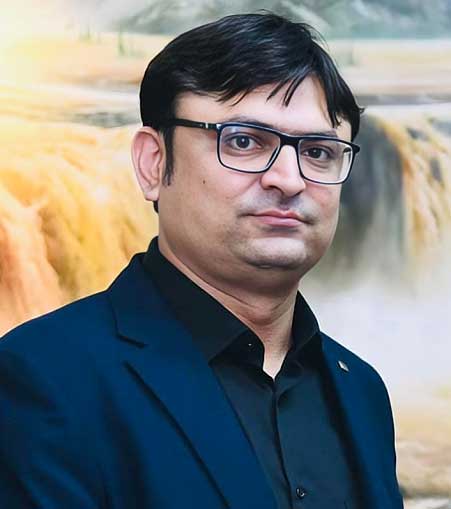
KARACHI: In a nation often defined by its economic turbulence, Pakistan is now scripting a new narrative – one grounded in hard-earned stability, disciplined governance, and inclusive ambition. Under the leadership of Prime Minister Mian Muhammad Shehbaz Sharif and the economic stewardship of his PML-N government, Pakistan’s economy is not only out of danger but moving towards long-term sustainability. The recent affirmations by the State Bank of Pakistan (SBP) do not merely hint at optimism – they signal the arrival of a new economic era shaped by fiscal realism, inclusive policies, and institutional synergy.
At the heart of this turnaround lies a coordinated push to transition from crisis management to structural transformation. As SBP Governor Jameel Ahmad stated at the recent launch of the Women Entrepreneurs Finance Code, “We are no longer in a difficult period. The macroeconomic indicators confirm that Pakistan is now entering a new phase of consistent and sustainable recovery.” These words – delivered not in speculative hope but with empirical clarity-represent a seismic shift from the despair of past cycles.
To understand this transformation, one must look at the building blocks being laid by the current government. Pakistan has achieved its second consecutive primary surplus in FY25, an outcome made possible through tighter fiscal discipline, enhanced tax collection, and prudent spending. It is no small feat for a country historically plagued by budgetary slippage.
The government’s ambition doesn’t end there. A higher primary surplus is being targeted for FY26, an indication that the fiscal consolidation is no longer a one-off necessity but a cornerstone of policy. Finance Minister Muhammad Aurangzeb has reinforced this strategy with transparent taxation reforms, digital fiscal monitoring, and elimination of leakages – actions that instil confidence among domestic and international investors alike.
Moreover, Pakistan’s inflation, once spiralling out of control, has dropped to 4.5% in FY25 – the lowest in nine years. The SBP, in tandem with fiscal authorities, has set a target range of 5-7% to maintain price stability. This is not accidental. It is the result of a deliberate, data-led monetary stance that is tightly coordinated with budgetary discipline.
Pakistan’s foreign exchange position has seen an extraordinary rebound. From the precarious lows of 2023, SBP reserves are now nearly five times higher, driven by responsible exchange rate alignment, strategic inflows, and tighter current account management. The rupee has held steady against major currencies, restoring investor confidence and curbing speculative pressures.
This revival of the external account is bolstered by robust remittances, a rebound in exports, and a calibrated rise in imports – all signals of a recovering, production-driven economy. The SBP’s approach is clear: let the rupee reflect fundamentals, not political pressure. The days of artificial pegs and panic-driven devaluations appear to be over.
Pakistan’s economic history is littered with unsustainable booms followed by sharp busts. Yet Governor Ahmad’s words offer a refreshing departure from this fatalistic loop. “This time is different,” he remarked, highlighting that the current recovery is not based on populist spending or temporary sugar rushes but on long-term policy coherence.
Unlike earlier governments that compromised structural health for political popularity, the Shehbaz-led government has resisted temptation. From energy sector rationalisation to SOE reforms and digital taxation, the steps being taken are foundational – not performative.
Indeed, the realignment of Pakistan’s macroeconomic policy under Shehbaz Sharif shows a governance maturity rare in recent decades. It is no coincidence that global institutions like the IMF, ADB, and World Bank are extending not just financial support but also policy endorsements. Their renewed confidence is a testament to the strategic foresight of the government.
Women at the forefront of reform: One of the most powerful components of this new economic philosophy is its inclusive outlook, particularly towards women entrepreneurs. The Women Entrepreneurs Finance Code, launched with the support of the ADB, is not just a symbolic gesture – it is a structured effort to embed gender equity into financial systems.
The SBP, under its Banking on Equality and National Financial Inclusion Strategy, is promoting Women Micro, Small and Medium Enterprises (WMSMEs) as a catalyst for grassroots growth. The Deputy Governor Saleemullah rightly noted that “inclusive growth is not possible without gender equity in finance.”
From gender-sensitive banking products to dedicated quotas in SME financing, Pakistan is aligning itself with global best practices. As international dignitaries at the launch noted, Pakistan’s adoption of the Women Finance Code places it firmly in the league of progressive emerging economies.
As the present government continues to navigate the reform pathway, several new initiatives further reflect its seriousness. These include:
= Digital tax registration systems to enhance the tax base transparently
= A Public Sector Development Programme (PSDP) refocused on productivity-enhancing infrastructure
= Enhanced collaboration with Gulf and Chinese investors to widen the FDI footprint
= Sovereign and green Sukuk bonds to raise finance without destabilising the local market
= Special economic zones aligned with CPEC Phase-II to boost regional trade and industrial value chains
Each of these moves is not only technocratic in merit but politically bold. In a fragile democracy, such reforms require vision, patience, and political capital. The PML-N government, with Shehbaz Sharif at the helm, has shown all three.
Pakistan today stands on the cusp of a new economic social contract – one that prioritises discipline over drama, reforms over rhetoric, and inclusion over inertia. The SBP’s consistent signalling, combined with the government’s resolute execution, is crafting a rare story of policy credibility in a region often marred by volatility.
This path, while long and often thankless, is the only one that leads to sustainable prosperity. The message from the State Bank is clear. The evidence from economic indicators is firm. And the direction from the Prime Minister’s Office is unwavering.
Pakistan is back on track – and this time, it’s not just recovery. It’s a reconstruction of national confidence.
= A Public Sector Development Programme (PSDP) refocused on productivity-enhancing infrastructure
= Enhanced collaboration with Gulf and Chinese investors to widen the FDI footprint
= Sovereign and green Sukuk bonds to raise finance without destabilising the local market
= Special economic zones aligned with CPEC Phase-II to boost regional trade and industrial value chains
Each of these moves is not only technocratic in merit but politically bold. In a fragile democracy, such reforms require vision, patience, and political capital. The PML-N government, with Shehbaz Sharif at the helm, has shown all three.
Pakistan today stands on the cusp of a new economic social contract – one that prioritises discipline over drama, reforms over rhetoric, and inclusion over inertia. The SBP’s consistent signalling, combined with the government’s resolute execution, is crafting a rare story of policy credibility in a region often marred by volatility.
This path, while long and often thankless, is the only one that leads to sustainable prosperity. The message from the State Bank is clear. The evidence from economic indicators is firm. And the direction from the Prime Minister’s Office is unwavering.
Pakistan is back on track – and this time, it’s not just recovery. It’s a reconstruction of national confidence.