KARACHI: Pakistan and China on Monday reinforced their growing development partnership by advancing cooperation in two critical sectors – youth skills development and agriculture – marking a decisive shift toward long-term, productivity-driven collaboration.
In a major boost for human capital development, Pakistan and China signed a Letter of Intent (LoI) to strengthen cooperation in Technical and Vocational Education and Training (TVET), launching an ambitious initiative to train more than 50,000 Pakistani youth and develop 2,000 master trainers over the next five years. The agreement was signed at the Prime Minister’s Office between China-Pakistan TVET Cooperation, the Prime Minister’s Youth Programme, Government of Pakistan, and TANG Chinese Education & Technology (Pvt) Ltd.
According to an official statement, the initiative aims to enhance employability, promote digital transformation in education, and align Pakistan’s workforce with evolving global market needs. The program will focus on emerging and high-demand sectors, including digital technologies, artificial intelligence, fintech, e-commerce, media, tourism, and entrepreneurship.
The agreement also envisages the establishment of smart digital training centers, development of advanced training standards, joint certification mechanisms, and institutional linkages between Pakistan and China. International exposure through digital skills competitions and pathways for employment both within Pakistan and abroad are also part of the broader framework.
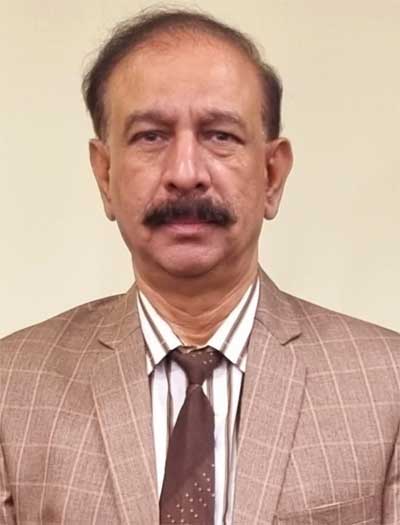
The signing ceremony was witnessed by Chairman Prime Minister’s Youth Programme Rana Mashhood Ahmad Khan and attended by senior officials from both sides, including Li Jinsong, President and Founder of TANG Chinese Education & Technology Ltd. Officials termed the initiative a “strategic investment” in Pakistan’s youth, emphasizing innovation, entrepreneurship, and small and medium-sized enterprise development as key drivers of sustainable economic growth.
On the same day, Pakistan-China cooperation in agriculture also gained fresh momentum as a delegation of Chinese agricultural experts and industry leaders concluded a visit to the University of Agriculture Faisalabad, resulting in the signing of multiple Memorandums of Understanding (MOUs).
The visit, hosted by the Confucius Institute at UAF, brought together senior executives from leading Chinese agribusinesses, academic experts from Northwest A&F University, and representatives of the Silk-Road Biohealth Agricultural Industry Alliance. The delegation showcased expertise across the agricultural value chain, including smart poultry breeding, fruit cultivation and processing, advanced farm machinery, oilseed improvement, vegetable seed breeding, and high-value crops such as sesame and chilli.
Discussions with UAF Vice Chancellor Prof. Dr. Zulfiqar Ali focused on translating academic research into market-oriented solutions tailored to Pakistan’s agricultural needs. Facilitated B2B matchmaking sessions between Chinese delegates and Pakistani companies from poultry, fertilizer, fruit processing, and precision agriculture sectors led to concrete cooperation agreements covering technology transfer, joint skills development, and resource sharing.
Observers say the twin developments reflect a maturing phase of Pakistan-China relations, increasingly centered on skills, innovation, and productivity. By investing simultaneously in youth empowerment and agricultural modernization, both countries appear to be laying the groundwork for more resilient, inclusive, and sustainable economic growth in the years ahead.
Pakistan, China deepen dtrategic cooperation in skills and agriculture
Previous article

Next article