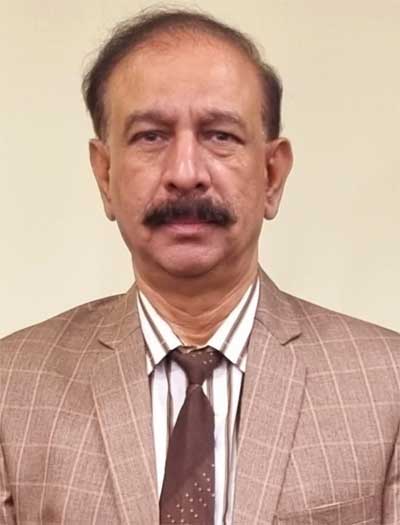
concluded on Saturday at a local hotel in Karachi, with Federal Minister)
KARACHI: The 8th Pakistan Edible Oil Conference (PEOC-26) concluded on Saturday at a local hotel in Karachi, with Federal Minister for Commerce Jam Kamal Khan gracing the event as Chief Guest.
Addressing the conference, the Federal Minister lauded the efforts of all stakeholders for successfully organizing a comprehensive learning forum that brought together key players from Pakistan’s edible oil and oilseed sectors. He appreciated the Pakistan Edible Oil Refiners Association (PEORA) and the Pakistan Seed Association for promoting dialogue and cooperation in this vital industry.
Jam Kamal Khan highlighted the recent visit of the President of Indonesia to Pakistan, terming it a positive and productive engagement that reinforced long-standing bilateral relations. He expressed optimism that Pakistan’s ties with Indonesia and Malaysia would further strengthen through enhanced trade, particularly in palm oil and other commodities. He also noted Indonesia’s strong interest in expanding cooperation with Pakistan in the rare-earth minerals sector.
The Minister emphasized that Pakistan enjoys friendly and durable trade relations with several countries, including Indonesia, Malaysia, the United States, and Canada. He noted that these relationships are evolving beyond conventional trade into broader strategic partnerships.
Speaking at the Pakistan Oilseed Summit, Eqan Ali Khan, CEO of Fauji Akbar Portia (FAP), said Pakistan is a nutrition-deficient country, particularly in protein intake. He stated that FAP has played a critical role in supporting edible oil producers, especially during periods when genetically modified organisms (GMO) imports were restricted.
He highlighted that FAP addressed major shipping and storage challenges at Port Qasim by establishing a state-of-the-art terminal through a $120 million investment in collaboration with Cargill and the Fauji Foundation. “We handle cargo efficiently, with nearly 90 percent of Pakistan’s rice exports passing through our terminal. Vessels are turned around within three to four days, making us the preferred end-to-end logistics solution for customers,” he added, noting that FAP also offers packing and financing facilities and operates the largest silo storage capacity at Port Qasim.
The concluding remarks gave by Rasheed Jan Mohammed, Chairman PEORA, said Pakistan imported 29 million tons of soybeans in 2025, while imports are expected to decline to 19 million tons next year. He noted that per-capita edible oil consumption in Pakistan stands at 18 kilograms per year and is on a downward trend.
He pointed out that agricultural growth remains stagnant due to water scarcity; however, increased cultivation of sunflower and other oilseeds could help meet the country’s edible oil requirements. He described PEOC as his brainchild, stating that its continued leadership has expanded the conference’s scope and influence over the years.
The U.S. Soybean Export Council and the Canada Canola Council provided technical knowledge and learning support at the Pakistan Oilseed Summit. The conference concluded with an awards ceremony recognizing Pakistan’s highest edible oil importers.
Pakistan Edible Oil Conference concludes with Federal Minister Jam Kamal Khan as chief guest

Previous article

Next article