


TFD Report
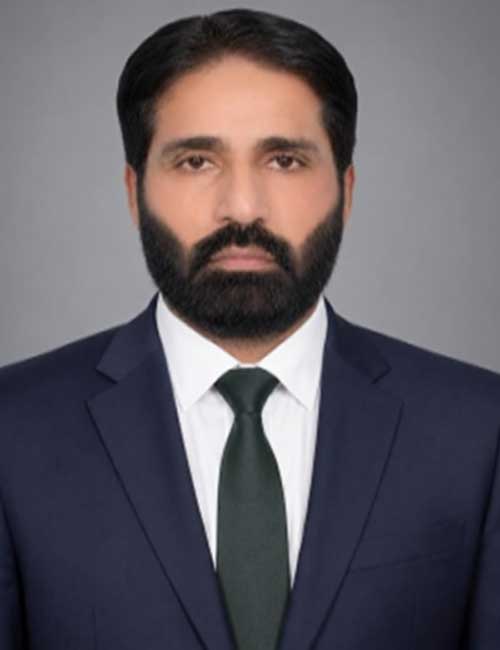
KARACHI: Asad Muzaffar, who has served as a senior member of the Prime Minister’s Special Task Force and as Chief Coordinator for China-Pakistan Economic Corridor (CPEC) Special Economic Zones (SEZs) in Punjab, and previously served as Resident Director of China Railway 17th Bureau Group, has called for greater use of technology and market-driven reforms to empower Pakistan’s farmers and transform the country’s agricultural economy.
Muzaffar argues that Pakistan’s traditional agricultural structure, rooted in the colonial-era system of land and farm management, is increasingly under pressure from demographic change, a growing rural youth population and limited access to formal markets and financial services.
He believes the existing dependence on landowners and middlemen is becoming unsustainable and says technological change could help farmers gain greater direct access to markets, credit and pricing information.
Muzaffar particularly welcomes the introduction of Urdu-based artificial intelligence tools in literacy and informal education at the grassroots level, describing it as a positive step by the Punjab government. He argues that voice-based Urdu technologies and mobile applications can help farmers navigate financial institutions, access short-term credit, understand market prices and reduce their dependence on intermediaries.
According to Muzaffar, emerging technologies are already enabling social organisations and small and medium-sized enterprises to develop platforms for market access, predictive pricing and financial services aimed at rural communities.
He believes these developments could gradually shift Pakistan towards a more market-driven agricultural economy in which farmers have greater control over the value generated by their produce.
Muzaffar also points to advances in agricultural technology, including hybrid seeds and more efficient soil and water-management solutions, arguing that food security is increasingly placing agriculture at the centre of global economic and strategic priorities.
He says the proposed Special Agricultural Zones under CPEC Phase II could further accelerate this transformation by introducing new technologies, investment and market structures into Pakistan’s agricultural sector.
While corporate agriculture has expanded in Pakistan, Muzaffar cautions that greater organisation and investment alone do not necessarily translate into grassroots empowerment. He argues that farmers also need guidance on using formal markets, financial channels and modern agricultural practices to improve their livelihoods.
He further stresses the importance of informal education for rural communities, particularly younger generations who will increasingly enter the agricultural economy.
Muzaffar cites demographic pressures as a major reason for urgency. Referring to estimates of a large under-18 population living in farming communities, he argues that the existing rural labour model will become increasingly difficult to sustain as young people form families and demand better incomes and living standards.
He concludes that Pakistan’s agricultural policies must take greater account of the country’s changing demographics, technological advances and growing rural youth population.
“The clock is ticking,” Muzaffar argues, saying that Pakistan must prepare for a future in which resource constraints, technological disruption and an expanding rural workforce will require a fundamental rethink of the country’s agricultural economy.