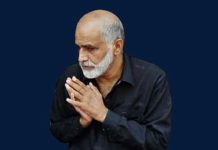


Episode I — “From Threads to Throne: The Formative Years of Moazzam Khan”
In the bustling metropolis of Karachi, where tradition and modernity intertwine in every street and skyline, one designer has spent decades weaving dreams into fabric. Moazzam Khan is more than a celebrated name in bridal couture of Pakistan, he is a storyteller of heritage, craftsmanship, and evolving elegance. In this special two-episode biographical series, we take our readers on an intimate journey through his formative years, creative struggles, bold decisions, and ultimate rise as one of Pakistan’s most respected fashion visionaries. From humble beginnings to international recognition, this is the story of passion stitched with perseverance and a legacy embroidered in gold.
In the vibrant and one of huge cosmopolitans of the World, Pakistan’s cultural and commercial heartbeat, one name has quietly shaped bridal elegance and couture sophistication for nearly four decades: Moazzam Khan. Today, as the founder and creative force behind Moazzam Khan Couture, the House of Bridal, his journey from humble beginnings to fashion eminence reads like the very embroidery for which he’s famed: intricate, resilient, and timeless.
Moazzam Khan’s story begins in the early 1990s, a time when the Pakistani fashion industry was still finding its identity. Unlike today’s glittering runways and international showcases, fashion then was largely localized, traditional bridal silks, embroidered fabrics, and handcrafted garments dominated markets but lacked the structured design philosophies and brand systems emerging elsewhere in the world. Into this landscape stepped a young Moazzam: curious, determined, and armed with intuition for design rather than formal training.
From the outset, fate intertwined him with “Rizwan Moazzam” joint venture, one of Karachi’s most respected fashion labels. Working collaboratively from 1993 onwards, he became the brand’s creative guru, the visionary behind silhouette, stitch, and story. For nearly 25 years, the pair helped shape Pakistan’s bridal couture narrative, turning simple fabrics into statements and weddings into cultural showcases. Moazzam’s role was more than artistic; he was a trendsetter, constantly pushing for refinement, detail, and innovation in a market still defining itself.
At a time when many designers focused on prêt-à-porter and party wear, Moazzam’s core passion was bridal fashion, a genre that demands both devotion and precision. Bridal couture in South Asia is not merely clothing but legacy: the embroidery techniques from zardozi to hand-done threadwork, carry centuries of tradition. Moazzam immersed himself in every part of this process: from early concept sketches to fabric sourcing, handwork coordination, and final fitting. Such commitment ensured that every bridal piece bore his unmistakable signature: elegance layered with detailed craft.
Yet Moazzam’s artistry was not born overnight. Karachi’s streets and markets, rich with threads, beads, and textiles from Sindh, Punjab, and beyond, became his informal classrooms. He absorbed techniques from master karigars (artisans), learned the language of fabrics, and developed an appreciation for how tradition and modern design could coexist. This ethos became the hallmark of his work: pieces that respected cultural roots while appealing to contemporary aesthetics.
The Pakistani fashion landscape itself was transforming during these years. As textile production and garment manufacturing advanced, a new generation of designers emerged, hungry for identity and influence. The rise of fashion weeks and industry councils provided platforms for designers to showcase work locally and abroad. Yet amidst this burgeoning scene, Moazzam remained grounded in craft, believing that bridal couture, above all, should tell personal stories and preserve heritage.
By the late 2000s, Moazzam had become a respected figure within Pakistan’s fashion circles. His designs were chosen by brides across socioeconomic spectrums and sought out for their technical excellence and emotional resonance. Bridal outfits under his influence featured complex embroidery, luxurious materials, and a balance of color and texture that became his signature. While some contemporaries leaned into fusion or ready-to-wear, Moazzam doubled down on couture, a choice that solidified his reputation as a master tailor of ceremonial elegance.
But the story of a creative mind is never static. Even as Moazzam shaped the creative direction for Rizwan Moazzam, he felt a growing urge to craft not just clothing but a distinct identity; a brand that carried his full artistic expression without compromise. This yearning for creative sovereignty led to one of the defining turns in his career. In 2017, after more than two decades of collaboration, Moazzam parted ways with the label he had helped build. He stepped into a new chapter: redefining tradition under his own name and vision.
This transition was not without its challenges. Leaving a long-standing partnership meant reckoning with market expectations, brand recognition, and business acumen, terrain that differed vastly from the creative studio. Yet Moazzam embraced it with the same resolve that guided his design ethos: passion first, perfection always. Thus began the establishment of Moazzam Khan Couture, not merely a brand, but a creative house rooted in heritage and driven by innovation.
What had once been a designer’s dream became a tangible realm: a couture studio where every embroidery thread, silhouette curve, and bead setting reflected Moazzam’s philosophy. His guiding principle became clear: fashion should cater not just to the elite few but to every bride who dreams of beauty without boundaries. This commitment to accessibility offering customization packages tailored to different budgets and tastes, underscored his belief that elegance should be universal, not exclusive.
In the next episode of his journey, we delve into how Moazzam Khan transformed his brand into a cultural icon, from bridal ateliers to global showcases, technology integration, and the future he envisions for Pakistani couture.