Part VIII: PIA’s new flight: A blueprint for the next decade

Every successful turnaround reaches a defining moment when the focus shifts from survival to growth. For Pakistan International Airlines (PIA), that moment has now arrived. Privatization has created a historic opportunity, but the true measure of success will not be whether the airline simply returns to profitability. Rather, it will be whether PIA evolves into a modern, competitive and globally respected airline capable of supporting Pakistan’s economic ambitions over the next decade.
The airline industry is undergoing profound transformation. Artificial intelligence, digital customer engagement, sustainable aviation, data analytics and integrated logistics are redefining how airlines operate. Passengers no longer judge airlines solely by ticket prices; they evaluate reliability, digital convenience, customer experience and overall value.
If PIA wishes to reclaim its position among the world’s respected airlines, it must embrace a long-term vision. That vision should extend beyond the immediate challenges of restructuring and set clear objectives for where the airline should stand by 2035.
From National Carrier to National Champion
Historically, national airlines have served as symbols of their countries. Today, however, successful airlines are also engines of economic growth.
A modern PIA should aspire to become far more than Pakistan’s flag carrier. It should become a catalyst for tourism, exports, foreign investment, business travel and regional connectivity.
Pakistan’s strategic location provides a unique opportunity. Situated at the crossroads of South Asia, Central Asia, China and the Middle East, the country possesses geographic advantages that many airlines would envy. Combined with one of the world’s largest overseas Pakistani communities and growing domestic tourism, the demand already exists.
The challenge is to build an airline capable of serving that demand with efficiency and professionalism.
Modernizing the Fleet
Every airline’s competitiveness begins with its fleet.
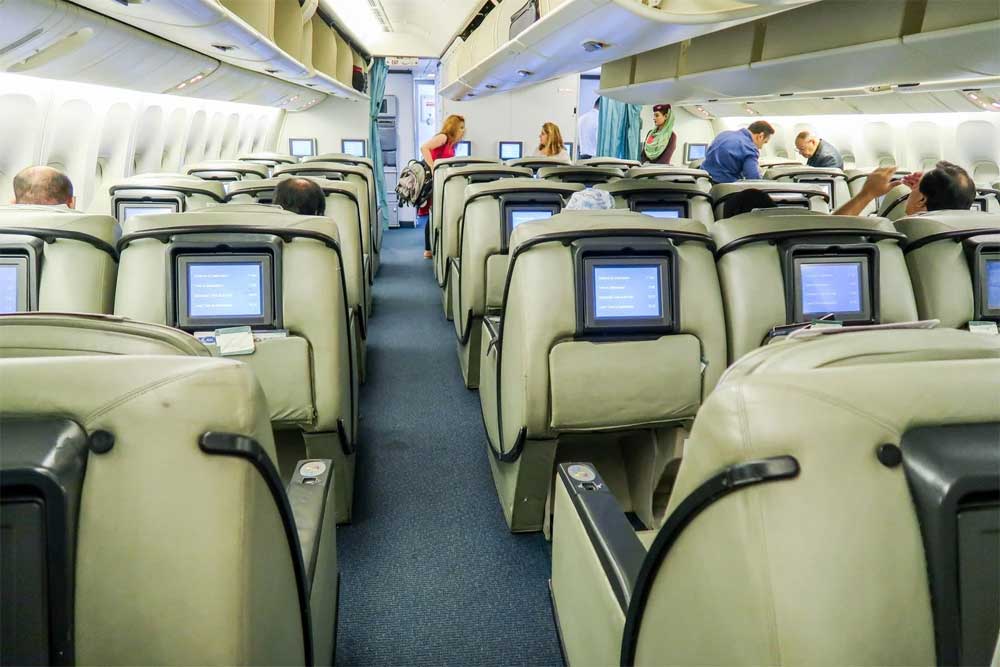
Modern aircraft consume less fuel, require lower maintenance costs and offer greater passenger comfort. They also reduce environmental impact and improve operational reliability.
Fleet renewal, however, should not become an exercise in prestige. It must be guided by commercial realities. Aircraft selection should reflect route demand, operational efficiency and long-term financial sustainability.
A balanced fleet comprising narrow-body aircraft for domestic and regional routes and wide-body aircraft for long-haul international destinations would provide flexibility while maintaining cost discipline.
Digital Transformation Must Become a Priority
The airline industry is increasingly driven by technology.
Passengers now expect seamless digital experiences-from booking tickets and selecting seats to receiving real-time notifications and tracking baggage.
Artificial intelligence can significantly improve revenue management, predictive maintenance, customer service and operational planning.
PIA should invest in:
AI-powered customer support. Smart ticket pricing. Predictive aircraft maintenance. Digital baggage tracking. Mobile-first passenger services. Personalized loyalty programmes.
Digital transformation is no longer optional. It has become essential for competitiveness.
Investing in Human Capital
Aircraft do not build great airlines. People do.
One of PIA’s greatest historical strengths has always been its workforce. Pakistani pilots, engineers and aviation professionals have earned international respect for their technical competence and professionalism.
The challenge now is to rebuild an organizational culture based upon merit, continuous learning and accountability.
International partnerships with leading aviation academies should be encouraged. Leadership development programmes should prepare future managers for an increasingly competitive industry.
Employees must once again view PIA as an institution where excellence is rewarded and innovation encouraged.
Cargo: The Untapped Opportunity
Much of the discussion surrounding PIA focuses on passenger services.
Yet air cargo represents one of the airline’s greatest growth opportunities.
Pakistan exports textiles, surgical instruments, pharmaceuticals, fruits, vegetables, seafood and high-value manufactured goods to international markets.
A modern cargo strategy could transform PIA into an important logistics partner for Pakistan’s export economy.
Dedicated cargo aircraft, digital freight management systems and partnerships with logistics providers would strengthen the airline’s commercial position while contributing to national economic growth.
Building a Tourism Airline
Pakistan’s tourism potential remains largely untapped.
The country’s mountains, cultural heritage, religious sites and coastal destinations continue attracting increasing international attention.
PIA should become an active partner in promoting tourism rather than merely transporting passengers.
Joint marketing campaigns with provincial tourism authorities, travel operators and hotels could significantly increase inbound tourism while enhancing the airline’s own commercial performance.
Every successful tourism economy possesses strong aviation connectivity.
Pakistan should be no exception.
A Global Pakistani Brand
Brand identity matters. PIA once enjoyed global recognition. Its distinctive livery, elegant uniforms and renowned hospitality reflected Pakistan’s culture with pride. Rebuilding the brand requires more than a new logo or advertising campaign. It requires consist Consistent punctuality. Consistent service. Consistent professionalism. Consistent customer satisfaction.
Only then will passengers once again associate PIA with reliability and excellence.
Sustainability and Green Aviation
The aviation industry is increasingly embracing environmental responsibility.
Fuel-efficient aircraft, carbon reduction initiatives and sustainable aviation practices have become important components of long-term corporate strategy.
PIA should integrate sustainability into every aspect of future planning.
Doing so will not only improve operational efficiency but also strengthen the airline’s international reputation among regulators, investors and environmentally conscious travelers.
Corporate Governance: The Foundation of Success
Perhaps the most important lesson from global aviation is that sustainable success begins with governance.
Transparent decision-making. Professional management. Independent oversight. Financial accountability. Performance-based leadership.
These principles must become permanent features of PIA’s corporate culture. Institutional strength should never depend upon individual personalities alone. It must become embedded within the organization’s governance framework.
Looking Towards 2035
If Pakistan remains committed to reform and the new management maintains its focus on long-term institution-building, PIA can once again emerge as one of the region’s respected airlines.
By 2035, the airline should aspire to:
” Operate a modern, fuel-efficient fleet.
” Restore and expand international destinations.
” Become Pakistan’s leading cargo airline.
” Achieve world-class safety and service standards.
” Lead digital innovation in South Asian aviation.
” Strengthen Pakistan’s tourism economy.
” Become a profitable, professionally managed global airline.
These objectives are ambitious.
But they are achievable.
A Vision worth Pursuing
History has already shown what PIA was capable of achieving during its golden era.
The task before today’s leadership is not simply to recreate the past.It is to build something even better. A modern airline. A globally competitive institution. A source of national pride. A driver of economic growth.
If that vision is pursued with discipline, professionalism and consistency, PIA’s greatest achievements may still lie ahead.