

KARACHI: Asif Ali Zardari is undertaking a week-long, multi-city visit to China from April 25 to May 1, 2026, aimed at strengthening bilateral economic ties, accelerating the next phase of the China-Pakistan Economic Corridor and expanding cooperation in key sectors including agriculture, industry and technology.
The visit, coinciding with the 75th anniversary of diplomatic relations between Pakistan and China, is being viewed as a significant step towards deepening the “All-Weather Strategic Cooperative Partnership” between the two countries.
During his stay in Changsha, capital of Hunan province, President Zardari held high-level meetings with provincial leadership, including Shen Xiaoming and Mao Weiming. The discussions focused on enhancing cooperation in agriculture, health, education and trade, with both sides expressing commitment to expanding practical collaboration at the provincial level.
President Zardari also visited leading Chinese enterprises, including Sany Heavy Industry, where discussions centered on industrial modernization, engineering solutions and potential technology transfer to Pakistan. Engagements with Hunan Tea Group highlighted opportunities for collaboration in agro-processing, seed technology and modern farming practices.
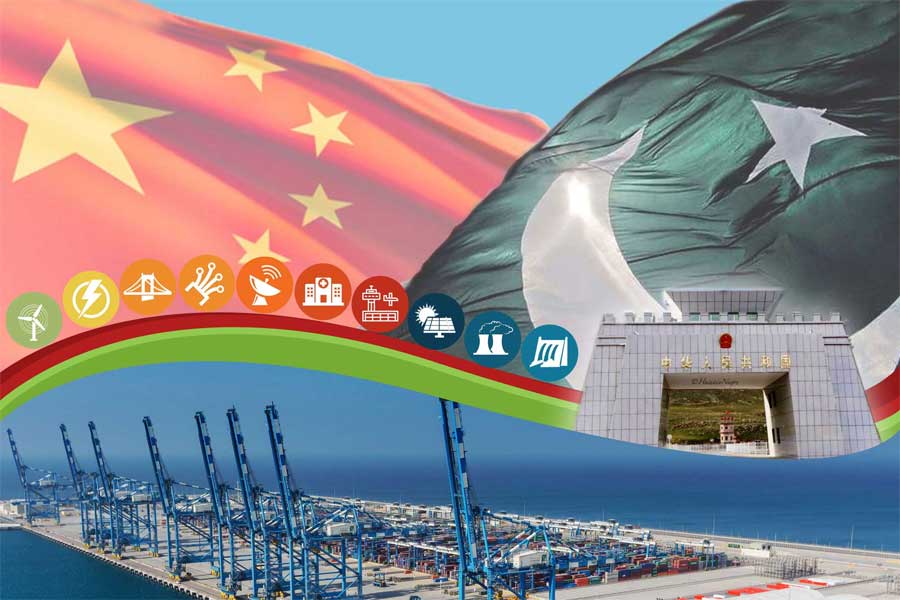
Officials said the visit underscores Pakistan’s intention to transition CPEC into its second phase, often referred to as CPEC 2.0, which emphasizes industrialization, export-oriented growth and technological advancement. Unlike the earlier phase that focused on infrastructure and energy projects, the new phase aims to strengthen productivity and economic sustainability.
“Pakistan is keen to benefit from China’s expertise in digital manufacturing, mechanized agriculture and value-added production,” a senior official accompanying the delegation said, adding that the focus remains on attracting investment and enhancing local industrial capacity.
The President is scheduled to travel to Sanya in Hainan province for the second leg of the visit, where further meetings on trade, investment and economic cooperation are expected. Hainan, being developed as a major free trade hub, presents opportunities for Pakistan to integrate more effectively into regional supply chains and attract industrial relocation.
Analysts believe the visit comes at a crucial time when Pakistan is seeking to stabilize its economy and boost foreign investment. Strengthening ties with China, its largest strategic partner, is seen as essential for achieving these objectives.
The visit also builds on President Zardari’s previous trip to China in February 2025, reflecting continuity in diplomatic engagement and reaffirming mutual commitment to long-term cooperation.
While the engagements have generated optimism, experts stress that the real challenge lies in effective implementation of agreements and timely execution of projects. Addressing bureaucratic bottlenecks and ensuring a conducive investment environment will be critical for translating these discussions into tangible economic gains.
As Pakistan and China mark 75 years of diplomatic relations, President Zardari’s visit is expected to further solidify bilateral ties and open new avenues for cooperation, particularly in sectors that promise sustainable growth and shared prosperity.