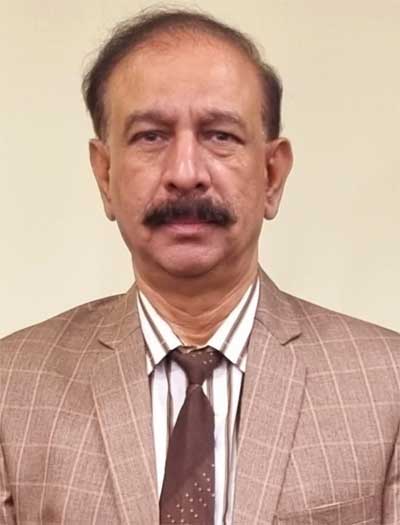
Manzar Naqvi
KARACHI: Consul General of China Yang Yundong on Wednesday said China remains firmly committed to multilateralism, free trade, and inclusive economic globalization, emphasizing that the China-Pakistan partnership-anchored by the China-Pakistan Economic Corridor (CPEC)-continues to serve as a model of win-win cooperation in a rapidly changing global environment.
Addressing a seminar on Economic Diplomacy, jointly organized by the Chinese Consulate and the Economic Diplomacy Forum, the Chinese consul general said that the year 2025 had been marked by profound global shifts, including rising unilateralism, protectionism, and geopolitical tensions that have disrupted the international economic and trade order. He said tariff and trade wars had inflicted serious damage on the world economy, posing significant challenges to multilateralism and free trade.
Despite these headwinds, he said China has remained steadfast in pursuing high-quality development, openness, and global cooperation. He highlighted that over the past five years, China’s economy maintained an average annual growth rate of around 5.4 percent, with GDP reaching nearly 140 trillion yuan in 2025, contributing about 30 percent to global economic growth.
“China is not only the world’s factory but is also striving to become a world market of shared opportunities,” he said, adding that China is now the leading trading partner of more than 160 countries and regions. Over the past five years, China imported over $15 trillion worth of goods and services and contributed more than $300 billion in tax revenue to host countries through overseas investments.
The consul general said China’s high-quality development of the Belt and Road Initiative (BRI) has injected fresh vitality into international cooperation. He opined that in 2025, trade between China and BRI partner countries reached 23.6 trillion yuan, while outward direct investment in these countries increased by 18 percent year-on-year.
Referring to Pakistan, he said 2026 marks the 75th anniversary of China-Pakistan diplomatic relations, describing the bilateral relationship as “rock-solid” and resilient amid global uncertainties. He said CPEC has entered its second decade and is moving toward an upgraded phase focused on growth, livelihoods, innovation, green development, and openness.
He pointed out that CPEC has created more than 240,000 jobs, accelerated Gwadar Port’s transformation into a regional logistics hub, expanded clean energy cooperation, and enhanced connectivity through record-high traffic on the Karakoram Highway. He added that “small yet smart” livelihood projects under CPEC are delivering tangible benefits directly to the people of Pakistan.
Earlier, in his welcome address, Founder and President of the Economic Diplomacy Forum Dr Muhammad Farooq Afzal said economic diplomacy has emerged as a critical driver of trade, investment, and industrial development in the modern global economy. He stressed that for countries like Pakistan, investment-led growth is no longer a choice but a necessity.
Dr Afzal said bilateral trade between China and Pakistan reached approximately $25.2 billion in 2025, registering nearly 10 percent growth, while China remains Pakistan’s largest trading partner and a major source of foreign direct investment. He added that Pakistan’s exports to China, estimated at $2.8 billion, reflect strong potential for diversification and value addition.
Highlighting the next phase of CPEC, he said Special Economic Zones (SEZs) are central to attracting manufacturing-focused foreign direct investment, offering competitive incentives, improved logistics, and access to regional markets. He emphasized that the Economic Diplomacy Forum will continue to facilitate engagement between policymakers and investors to translate strategic partnerships into commercially viable projects.
Zubair Tufail, Zubair Ahmad Channa, Zubair Motiwala, and Kaleem Farooqi also addressed the seminar. Speakers agreed that deeper China-Pakistan cooperation in manufacturing, technology transfer, and value chains would strengthen regional connectivity, generate employment, and enhance long-term economic resilience.
The seminar was largely attended by diplomats, members of the business community, media representatives, and government officials.