


The recent high-level engagement between Ishaq Dar and Wang Yi in Beijing is more than a routine diplomatic interaction. It represents a reaffirmation of one of the most enduring partnerships in modern international relations, while also signaling a shared intent to navigate an increasingly complex global landscape with coordination, clarity, and mutual trust.
At a time when geopolitical tensions are reshaping alliances and redefining strategic priorities, the Pakistan-China relationship continues to stand out for its consistency and depth. The meeting, held in a notably warm and comprehensive setting, covered the full spectrum of bilateral relations-from economic cooperation to strategic coordination-demonstrating that this partnership is neither symbolic nor static, but actively evolving.
A particularly significant dimension of the discussions was the focus on regional developments in West Asia. Both sides emphasized their shared commitment to peace, stability, and dialogue, culminating in a five-point initiative aimed at promoting de-escalation and constructive engagement. In an era marked by polarization and conflict, such a coordinated stance underscores the importance of diplomacy as a tool for conflict resolution rather than confrontation.
China’s appreciation of Pakistan’s consistent diplomatic efforts further highlights Islamabad’s growing role as a responsible regional actor. Pakistan, often situated at the crossroads of competing geopolitical interests, has increasingly positioned itself as a voice for dialogue and restraint. This recognition from Beijing not only strengthens bilateral trust but also enhances Pakistan’s credibility on the global stage.
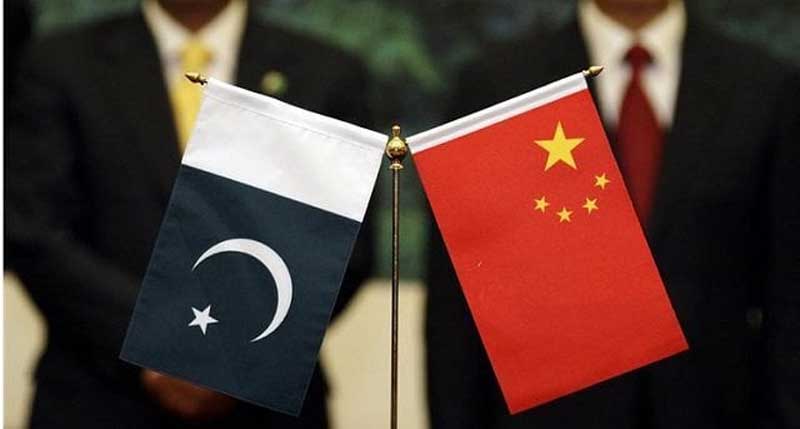
Equally important is the timing of this engagement, as both countries commemorate 75 years of diplomatic relations. This milestone offers an opportunity not just for reflection but for recalibration. The reaffirmation of the All-Weather Strategic Cooperative Partnership signals that both nations are committed to deepening ties across multiple domains, including trade, investment, technology, and security.
The emphasis on high-quality development and the advancement of CPEC 2.0 reflects a shift from foundational infrastructure to more sophisticated economic collaboration. While the first phase of the China-Pakistan Economic Corridor laid the groundwork through energy and transport projects, the next phase is expected to focus on industrialization, digital connectivity, and sustainable development. This transition is crucial for Pakistan’s long-term economic resilience and for maximizing the benefits of this flagship initiative.
Moreover, the commitment to enhanced high-level exchanges and institutional collaboration suggests a recognition that strong relationships are built not only on projects but also on people-to-people and policy-level engagement. As global challenges become more interconnected, the ability of nations to coordinate across sectors will be a defining factor in their strategic success.
The reaffirmation of close coordination at multilateral forums further underscores the alignment between Islamabad and Beijing on key global issues. Whether it is climate change, economic governance, or regional security, both countries have consistently advocated for inclusive dialogue and equitable solutions. This shared outlook strengthens their collective voice in international platforms and contributes to a more balanced global discourse.
Perhaps the most enduring aspect of this relationship, however, lies in its foundation of mutual trust and respect. Described often as an “iron-clad friendship,” Pakistan-China ties have withstood the test of time, adapting to changing circumstances while retaining their core principles. This resilience is particularly valuable in a world where alliances are often transactional and short-lived.
Yet, as the partnership moves forward, it must also address emerging challenges. Economic pressures, regional uncertainties, and shifting global dynamics require both countries to remain agile and proactive. The success of initiatives like CPEC 2.0 will depend not only on strategic vision but also on effective implementation, transparency, and inclusivity.
In conclusion, the recent meeting between Ishaq Dar and Wang Yi serves as a powerful reminder that strong bilateral relationships can play a stabilizing role in an uncertain world. By reinforcing their strategic partnership, Pakistan and China are not only advancing their own interests but also contributing to a broader vision of peace, cooperation, and shared progress. As they mark 75 years of diplomatic ties, the path ahead appears not only promising but pivotal-for both nations and for the region at large.
Pakistan-China strategic convergence in a changing world
Previous article

Next article

