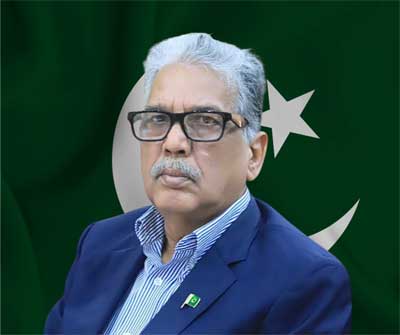
Manzar Naqvi
KARACHI: Russia has rejected US allegations over Iran’s nuclear programme, saying Tehran is not obliged to abandon its nuclear activities and has an “inalienable right” to pursue a peaceful nuclear programme.
Russia’s Permanent Representative to International Organizations in Vienna, Mikhail Ulyanov, made the remarks on Friday in response to US Ambassador to the United Nations Mike Waltz, who accused Iran of violating its nuclear obligations and refusing to abandon its nuclear programme.
“Apparently the US Ambassador doesn’t know that Iran is not obliged to abandon its nuclear programme. It is Iran’s inalienable right,” Ulyanov said in a post on X.
He also criticised Washington’s interpretation of international nuclear rules, saying the Republican administration’s position was based on “wrong assumptions of non-proliferation norms and the IAEA activities.”
The exchange highlights continuing differences between Moscow and Washington over Tehran’s nuclear activities amid renewed tensions surrounding the issue.
Iran, a party to the Nuclear Non-Proliferation Treaty (NPT), maintains that its nuclear programme is intended exclusively for peaceful purposes and that it has the right to develop civilian nuclear technology. Tehran has repeatedly denied seeking nuclear weapons.
Washington, however, has raised concerns over Iran’s uranium enrichment activities and compliance with its international nuclear obligations, calling for greater transparency and restrictions on sensitive nuclear work.
The International Atomic Energy Agency (IAEA) remains at the centre of international efforts to monitor and verify Iran’s nuclear activities.
Under the NPT framework, non-nuclear-weapon states have the right to develop nuclear energy for peaceful purposes while remaining subject to safeguards designed to prevent the diversion of nuclear material towards weapons programmes.
Russia has maintained that differences over Iran’s nuclear programme should be addressed through diplomacy and established international mechanisms rather than political or military pressure.
The latest Moscow-Washington exchange comes as the Iranian nuclear issue remains a major source of international tension and diplomatic efforts continue to find a framework balancing Iran’s peaceful nuclear rights with international non-proliferation concerns.