KARACHI: The government has stepped up efforts to simplify business regulations, attract domestic and foreign investment and promote value-added exports as part of a broader strategy to strengthen Pakistan’s industrial base and improve its competitiveness in international markets.
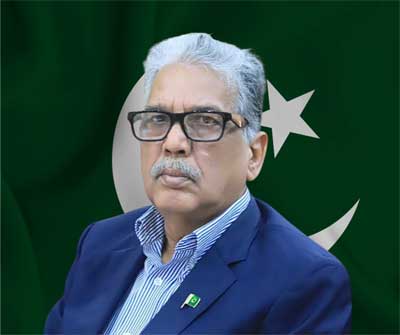
Federal Minister for Board of Investment (BOI) Qaiser Ahmed Sheikh said the government was pursuing wide-ranging regulatory reforms to create a more investor-friendly business environment, acknowledging that Pakistan had remained behind several competing economies in simplifying procedures for businesses.
He said a Business Facilitation Centre had been established to assist investors, while foreign experts, including experts from the United States, were being engaged to help streamline regulatory procedures and remove unnecessary hurdles.
The government was also consulting relevant institutions to build consensus on proposed reforms and ensure their effective implementation, he said.
Qaiser stressed that improving the ease of doing business was essential to attracting investment and expanding Pakistan’s productive capacity. He said incentives, including duty-free or zero-rated machinery where applicable, were intended to reduce production costs, improve industrial competitiveness and encourage export-oriented manufacturing.
Referring to the economic transformation of Southeast Asian countries, the minister said domestic as well as foreign investment had played a major role in developing their industries and expanding value-added exports.
Pakistan, he said, needed to follow a similar approach by encouraging investment in industries capable of producing competitive goods for international markets rather than remaining dependent on low-value exports.
The minister said Pakistan’s economic zones offered significant opportunities for establishing new industries and could particularly attract overseas Pakistanis and foreign investors looking for long-term investment opportunities.
He said investment initiatives were also being pursued in coordination with the International Monetary Fund (IMF), while certain projects offered tax and other incentives to facilitate investors.
Highlighting improvements in the country’s macroeconomic indicators, Qaiser said the improvement in Pakistan’s sovereign credit ratings reflected progress in economic management and efforts to improve the investment climate.
He said the State Bank of Pakistan’s foreign exchange reserves had increased to around $18 billion, providing approximately three months of import cover.
However, the minister cautioned that renewed military confrontation between Iran and the United States was creating fresh economic challenges, particularly through rising international oil prices and higher energy costs.
As an energy-importing economy, Pakistan could face pressure from a prolonged increase in crude oil prices, which could affect production costs, inflation and the country’s import bill.
Qaiser said Pakistan maintained relations with both Iran and the United States and could play a constructive role in facilitating dialogue between the two sides. Islamabad, he said, supported diplomatic efforts aimed at resolving the dispute and preventing further escalation.
Recalling Pakistan’s historic role in facilitating contacts between the United States and China, the minister underlined the importance of diplomacy in promoting regional peace and global economic stability.
He also appreciated the military leadership’s support for diplomatic initiatives, stressing that peace and stability in the region remained essential not only for Pakistan but also for international trade, investment and economic growth.
Govt moves to ease business rules, attract investment, boost exports
Previous article

Next article