


The concept of medical tourism is not new. Across the world, it has evolved into a thriving industry, generating billions of dollars annually for countries that recognized its potential early on. Unfortunately, in Pakistan, the idea remains underexplored, poorly understood, and largely absent from mainstream economic planning. Yet, the opportunities it presents for foreign exchange earnings and economic revival are enormous.
Simply put, medical tourism can be described as the export of services rather than tangible goods. Instead of sending products abroad, a country attracts foreign patients who travel to seek quality, affordable treatment. As James Surowiecki, the American journalist and columnist for The New Yorker, explained, “Instead of the product coming to the consumer, as it does with cars and sneakers, the consumer goes to the product.” In this case, the “product” is Pakistan’s medical expertise and healthcare facilities.
Despite a lack of structured promotion, Pakistan has made some progress in this field. Patients-particularly from neighboring Afghanistan-have long been crossing the border for treatment, often without documentation. This informal flow demonstrates the latent demand. However, the true potential lies far beyond. Pakistan has a large diaspora community spread across the globe. For overseas Pakistanis, the cost-effective medical care available in their homeland offers an attractive alternative to expensive treatment abroad. With families to host them and accommodation expenses reduced, their medical journey becomes even more affordable.
Globally, countries such as India, Turkey, Thailand, and Malaysia identified this sector’s worth years ago. They developed specialized facilities, streamlined visa processes, and marketed their services aggressively. Today, they reap the economic rewards of foresight. Pakistan, too, must act urgently to position itself as a competitive destination, beginning with targeted marketing campaigns, particularly within SAARC countries and among the Pakistani diaspora.
Medical tourism is not just about hospitals. It involves an entire ecosystem. Pakistan’s pharmaceutical industry, medical equipment manufacturers, insurance companies, and hospitality sector all stand to gain if this industry is developed. Patients traveling for treatment also require accommodation, transport, food, and often travel companions. This creates secondary economic benefits, boosting tourism and related businesses.
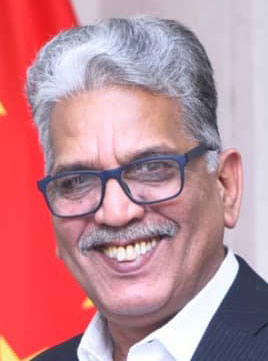
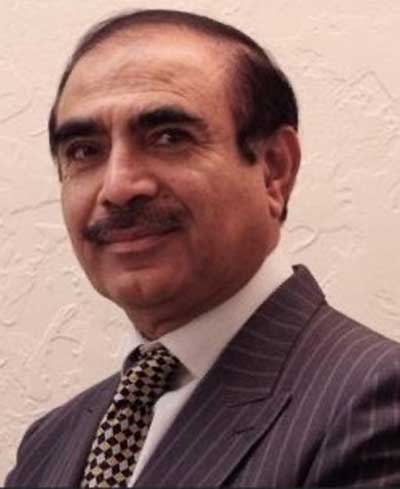
The healthcare foundation already exists. Pakistan has no shortage of world-class doctors and institutions. The Sindh Institute of Urology and Transplantation (SIUT), led by Dr. Adeebul Hasan Rizvi, has earned international respect for providing kidney transplants at affordable costs. Likewise, Tabba Heart Institute’s Dr. Ahson Memon was recently appointed as adviser to the Royal College of Physicians in Glasgow, underscoring Pakistan’s global standing in cardiac surgery. Many other institutions across the country continue to deliver excellence, proving that Pakistan’s medical talent is second to none.
To unlock this potential, Pakistan must address practical challenges. Streamlined visa issuance at embassies, fast-track immigration clearances at airports, and reliable ambulance services from airports to hospitals are critical first steps. Additionally, affordable guest houses and hotels near hospitals for patients’ attendants need to be organized. Proper hospital listings, online appointment systems, and transparent pricing can further build trust among international patients.
Equally important is effective promotion. Pakistan must actively announce to the world that it is ready to welcome medical tourists. This can be done through international health fairs, targeted campaigns in foreign media, and partnerships with travel agencies and insurance companies. Word of mouth will also play a powerful role, as patients treated successfully in Pakistan share their experiences abroad.
The benefits of developing medical tourism are multi-fold. Not only will it inject much-needed foreign exchange into the economy, but it will also enhance Pakistan’s global image. As the sector grows, service standards will naturally improve, raising the overall quality of healthcare for both foreign and local patients. The ripple effects on employment, allied industries, and economic growth can be transformative.
Medical tourism is a goldmine waiting to be tapped. Pakistan must move beyond rhetoric to action-by investing in infrastructure, incentivizing hospitals, and creating a seamless patient experience. With determination and foresight, this untapped sector can become one of Pakistan’s most successful exports.
The time to act is now. With careful planning and strong execution, Pakistan can establish itself as a hub of affordable, world-class healthcare in the region, ensuring both economic growth and international prestige.