


Part IX: PIA’s New Flight: Rebuilding a National Icon

The revival of Pakistan International Airlines (PIA) will not be measured solely by its financial performance or operational efficiency. While profitability is essential for long-term sustainability, the airline’s ultimate success will depend upon something far more valuable-international confidence.
For every global airline, reputation is an invisible asset that takes decades to build but can be damaged within a short period. In aviation, trust is everything. Passengers choose an airline because they believe it will transport them safely, efficiently and professionally. Regulators grant operating rights based on confidence in safety standards and compliance. Business partners, travel agents and investors also evaluate airlines on credibility as much as commercial performance.
For PIA, therefore, the road to recovery is not merely about rebuilding an airline; it is about restoring confidence among millions of passengers, international regulators, overseas Pakistanis and the global aviation community.
That journey begins with trust.
A Reputation Built Over Seven Decades
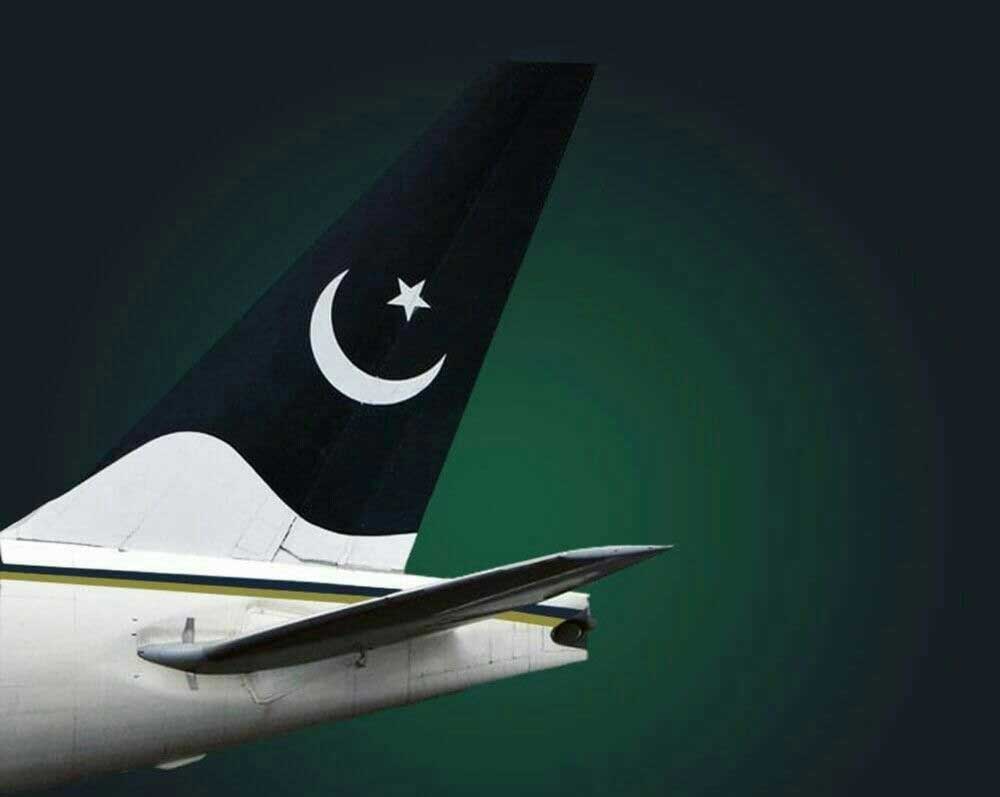
There was a time when the green tail of PIA represented excellence.
From the 1960s through much of the 1970s, Pakistan’s national airline enjoyed a reputation that extended far beyond South Asia. Its pilots, engineers and maintenance personnel were respected internationally. PIA’s hospitality reflected the warmth of Pakistani culture, while its expanding network connected the country with Europe, North America, the Middle East, Africa and Asia.
For many overseas Pakistanis, boarding a PIA flight was like beginning their journey home the moment they stepped onto the aircraft.
That emotional connection remains alive even today.
Although the airline has experienced many difficulties over recent decades, its brand continues to evoke memories of professionalism, reliability and national pride.
The challenge now is to transform those memories into a modern reality.
Safety Must Remain the Highest Priority
No airline can succeed without an uncompromising commitment to safety.
Passengers may appreciate good food, comfortable seats and attractive fares, but none of these matter unless they trust the airline’s safety standards.
For PIA’s new management, safety must remain the foundation upon which every future achievement is built.
This requires continuous investment in aircraft maintenance, engineering excellence, pilot training, operational procedures and international regulatory compliance.
Safety is not a project. It is a culture.
Every employee-from senior executives to engineers, pilots, cabin crew and ground staff-must view safety as a personal responsibility.
The world’s most respected airlines have earned their reputations because safety became an institutional value rather than merely a regulatory obligation. PIA must strive to do the same.
Restoring International Confidence
The aviation industry is governed by confidence.
International regulators expect airlines to comply with rigorous technical and operational standards. Code-share partners seek reliability. Insurance companies assess operational risks. Corporate clients require dependable services for business travel.
Winning back confidence therefore demands consistency rather than isolated improvements.
Every successful flight, Every punctual departure and Every satisfied passenger.
Every positive customer experience contributes to rebuilding the airline’s reputation.
Trust grows gradually.
Yet once established, it becomes one of an airline’s greatest competitive advantages.
Winning Back Overseas Pakistanis
Perhaps no group wishes to see PIA succeed more than overseas Pakistanis.
Millions of Pakistanis living in the Gulf, Europe, North America and other parts of the world maintain strong emotional ties with the national carrier. For many families, PIA represents memories of homecoming, family reunions and national identity.
These passengers are not merely customers. They are ambassadors.
If their confidence is restored, they become the airline’s most effective promoters.
To achieve this, PIA must offer reliability, competitive schedules, digital convenience, courteous service and transparent communication.
Loyalty cannot be demanded. It must be earned.
Customer Experience Defines Reputation
Modern aviation is increasingly customer-driven. Passengers compare airlines globally rather than regionally.
They expect efficient booking systems, user-friendly mobile applications, comfortable cabins, quality in-flight services and responsive customer support.
Successful airlines understand that every interaction shapes public perception.
From online reservations to baggage delivery, every stage of the passenger journey influences confidence.
PIA’s revival therefore requires a comprehensive customer-first strategy.
Small improvements matter, clean cabins, friendly staff, on-time performance, prompt complaint resolution and clear communication.
Collectively, these elements determine whether passengers choose to fly again.
Digital Transformation and Brand Renewal
Today’s travelers interact with airlines long before reaching the airport.
Digital platforms have become the primary gateway to customer engagement.
A modern airline must provide seamless online services, real-time notifications, digital boarding passes, personalized offers and responsive customer care.
Equally important is brand renewal. This does not necessarily require changing PIA’s historic identity. Its heritage remains one of its greatest strengths.
Instead, the airline should modernize its presentation while preserving the values that once made it admired worldwide.
The objective should be clear: A modern airline inspired by a proud legacy.
Strategic Partnerships
No airline operates successfully in isolation. Strategic cooperation has become central to global aviation.
Code-sharing agreements, interline partnerships, cargo cooperation and tourism alliances expand market reach while improving passenger convenience.
As confidence returns, PIA should actively pursue partnerships with international airlines, tourism organizations and airport operators.
Such collaborations would strengthen connectivity, improve commercial opportunities and increase Pakistan’s visibility within the global aviation network.
Promoting Pakistan through Aviation
Every national airline serves as an ambassador. Its aircraft carry more than passengers.
They carry the image of their country.
Every international destination presents an opportunity to showcase Pakistan’s culture, hospitality and economic potential.
PIA therefore has an important role in supporting tourism, investment and international business.
Through professional service, modern branding and operational excellence, the airline can contribute to improving perceptions of Pakistan itself.
Few marketing campaigns possess the global visibility of an international airline.
Confidence Begins at Home
International respect begins with domestic confidence. If Pakistanis themselves trust and support their national airline, international credibility becomes far easier to achieve. This requires ptransparency, professionalism, reliability and accountability.
The public must see continuous improvement rather than temporary campaigns. Confidence grows through performance. Not promises.
A New Global Identity
The new management has inherited more than aircraft and infrastructure.
It has inherited one of Pakistan’s most recognizable international brands.
Brands are built upon experience.
Every satisfied passenger strengthens reputation.
Every safe flight reinforces confidence.
Every operational improvement contributes to long-term credibility.
If these principles guide decision-making, PIA can once again become an airline respected not because of its history alone, but because of its present performance.
That is the true measure of revival.
The Journey Back to Respect
Winning back the world will require patience. Reputation cannot be restored overnight.
Neither can international confidence. Yet history demonstrates that great airlines have recovered from far greater challenges.
The examples discussed throughout this series-from British Airways and Japan Airlines to Turkish Airlines, Singapore Airlines, Emirates and Qatar Airways-prove that disciplined leadership, professional governance and customer-focused management can transform institutions.
Pakistan now possesses an opportunity to write its own success story. The destination is not merely profitability. The destination is respect.


 will not be measured solely by its financial performance or operational efficiency.)