


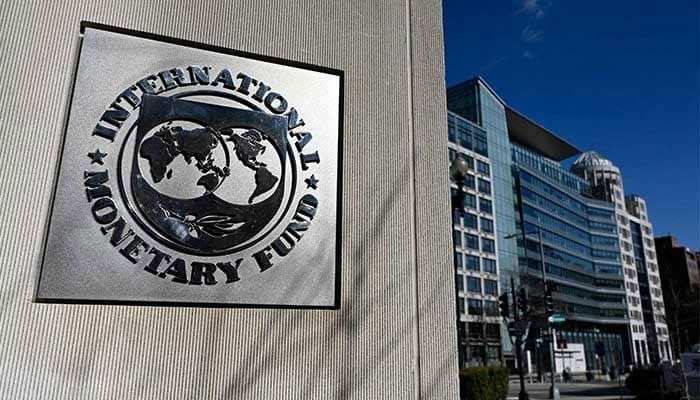
The International Monetary Fund’s approval of a $1.2 billion tranche marks more than just another financial injection into Pakistan’s struggling economy-it represents a moment of validation for the government’s reform trajectory and the difficult decisions undertaken in recent years. Prime Minister Muhammad Shehbaz Sharif’s commendation of his economic team, and the leadership that steered these reforms, highlights the collective effort required to pull Pakistan back from the precipice of default.
The prime minister’s acknowledgment of Field Marshal Syed Asim Munir, Chief of Army Staff and Chief of Defence Forces, is particularly significant. His “supportive and pivotal role,” as described by the premier, underscores the emerging reality that Pakistan’s economic stability and national security are deeply interlinked. In a period of heightened global uncertainty, cross-institutional synergy has proven essential in restoring macroeconomic credibility and sustaining reform momentum.
The contribution of Finance Minister Senator Muhammad Aurangzeb and his team has also been central. The IMF’s satisfaction with Pakistan’s performance, a rarity in past programmes, reflects improved policymaking, sharper fiscal discipline and better coordination among state institutions. This vote of confidence is not merely symbolic-it reassures markets, strengthens investor sentiment and signals to the international community that Pakistan is serious about structural reform.
Prime Minister Shehbaz Sharif’s remarks cut to the heart of Pakistan’s recent economic journey. Steering the country away from default, stabilizing the macroeconomic framework and rebuilding foreign reserves required politically unpopular choices and sacrifices from both the government and the public. The premier rightly acknowledged the role of political parties that supported reforms despite heavy political costs, as well as citizens who bore the brunt of inflation and austerity.
The prime minister’s statement that Pakistan’s economic reforms and digitization have become a “successful case study” deserves reflection. In many ways, Pakistan has indeed begun setting examples in areas such as tax digitization, anti-smuggling drives, currency market reforms, documentation, and subsidy rationalization. These steps, though painful, have begun yielding results-reflected in the strengthening rupee, rising reserves and improving market confidence.
Yet, the journey is far from complete.
The premier’s commitment to continue working “as Khadim-e-Pakistan” until the country attains prosperity and freedom from external debt sets an ambitious vision. However, achieving debt independence demands more than stability-it requires sustained growth, expanded exports, broadened tax bases and long-term productivity gains. Pakistan cannot afford to slip back into cycles of borrowing and bailout dependency.
The economy is now cautiously transitioning from stabilization to growth. This phase demands even greater discipline, targeted investment in human capital and industry, support for SMEs, and a comprehensive strategy to boost agricultural and technological competitiveness. Without these structural shifts, economic recovery risks becoming temporary.
One of the most important takeaways from the IMF’s approval is that Pakistan’s credibility in the international financial system has been restored. Maintaining that trust will require persistence, not complacency. Every tranche is not just funding-it is an examination, a reminder that Pakistan must continue delivering on its reform commitments.
The prime minister’s optimism that the dream of economic prosperity will soon become a reality echoes the aspirations of millions. But optimism must be matched with sustained action, continuity of reforms and political stability. Economic revival cannot thrive in an environment of polarization or policy reversals.
In this moment of cautious hope, Pakistan stands at a crossroads. Stability has been achieved-barely, but meaningfully. The next steps will determine whether the country can finally break free from the cycles of crisis that have long overshadowed its potential.
The $1.2 billion tranche is not the destination-it is a stepping stone. The real test begins now.
A crucial milestone on the road to economic stability
Previous article
Next article

