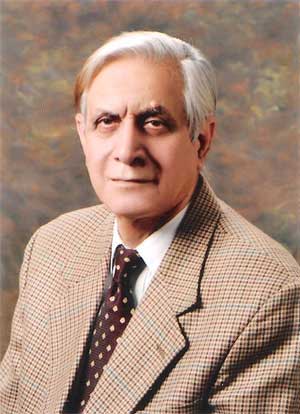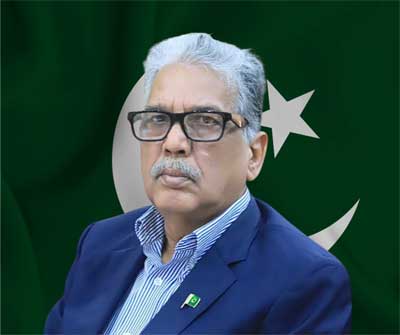
Aqeel Karim Dhedhi, widely known as AKD, is regarded as one of Pakistan’s most prominent and trusted business figures. For decades, his name has carried weight in the country’s business community, particularly in the financial and real estate sectors. His long-standing presence in investment, capital markets and large-scale business ventures has made him a familiar figure among investors who look for credibility, scale and long-term value. Now, with the launch of The Arkadians in DHA Karachi, AKD is once again placing his confidence in Pakistan’s future and urging Pakistanis, especially overseas Pakistanis, to invest in their homeland rather than shifting their capital abroad.
The Arkadians, being developed by Creek Developers, is being projected as a state-of-the-art residential and commercial development that aims to redefine modern urban living in Karachi. Speaking to media representatives, Aqeel Karim Dhedhi described the project as “a new Defence within Defence,” a phrase that reflects both its ambition and its location advantage. DHA Karachi has long been considered one of the most secure, organized and valuable real estate zones in the country. A project of this scale within such an environment carries significance not only for residents but also for investors seeking long-term returns.
According to Mr. Dhedhi, The Arkadians is not merely another housing or commercial project. It is a comprehensive vision for a modern, integrated community. The project is being designed to offer a blend of contemporary residential spaces, commercial opportunities, world-class amenities, strong infrastructure and a secure environment. This combination is important because today’s urban buyers are no longer looking only for four walls and a roof. They want lifestyle, convenience, safety, access, community planning and long-term value. The Arkadians appears to address these demands through a modern mixed-use development model.
The concept of a “new Defence within Defence” also highlights the idea of creating a self-contained urban environment within an already established and prestigious locality. In Karachi, where congestion, weak planning and infrastructure pressure remain major challenges, well-planned developments are increasingly becoming attractive for families, businesses and investors. A project that combines residential towers, commercial spaces, lifestyle amenities and urban planning can help reduce the pressure of unplanned growth while offering people a better standard of living.
Mr. Dhedhi emphasized that the project would introduce a new dimension to modern living by incorporating high-quality infrastructure and thoughtful planning. This is a key point because Pakistan’s real estate sector has often suffered from delays, weak execution, undocumented transactions and a lack of confidence among buyers. When a project is led by a renowned business figure with a strong reputation in financial and investment circles, it naturally creates greater confidence among investors. AKD’s involvement gives The Arkadians a credibility advantage, particularly for overseas Pakistanis who often hesitate to invest in local real estate due to concerns over transparency, delivery and long-term security.
The appeal to overseas Pakistanis is one of the most important aspects of this project. Pakistanis living abroad have historically played a major role in supporting the national economy through remittances. However, many of them also invest in properties, businesses and savings plans outside Pakistan due to perceived stability, legal security and better returns. Mr. Dhedhi’s message is clear: Pakistan itself offers strong opportunities and Pakistanis should have confidence in their homeland. He noted with satisfaction that overseas Pakistanis are increasingly investing their capital in Pakistan, reflecting growing confidence in the country’s economic prospects and investment climate.
This message carries national importance. When overseas Pakistanis invest in Pakistan, they do more than buy property. They contribute to construction activity, employment, banking flows, allied industries, documentation and economic confidence. Real estate projects generate demand for cement, steel, tiles, glass, electrical equipment, furniture, architecture, engineering, marketing, sales and property management. Therefore, a large-scale project like The Arkadians can support broader economic activity and create direct and indirect employment opportunities.
AKD’s optimism about Pakistan’s economy is also significant. At a time when the country continues to face economic challenges, including inflationary pressures, external account issues and investor uncertainty, confidence from major business leaders matters. Mr. Dhedhi said he believes Pakistan is on a positive trajectory and that economic indicators point toward further growth and development. Such a statement from a senior investor sends a message that Pakistan’s private sector still sees opportunity, especially in well-planned urban development and real estate.
“The Arkadians is not merely a real estate project; it is a vision for the future. We are creating a modern, integrated community that will set new benchmarks for quality, convenience and sustainable growth,” Mr. Dhedhi said. This statement reflects the broader direction of the project: not just construction but community creation. In modern cities, successful developments are measured not only by their buildings but by how they improve quality of life. Security, access, green spaces, parking, business facilities, maintenance systems and lifestyle amenities all play a role in building long-term value.
Karachi, Pakistan’s largest city and commercial hub, urgently needs such planned developments. The city continues to attract people, businesses and investments from across the country. However, its infrastructure has not always kept pace with population growth. Projects like The Arkadians can contribute to Karachi’s evolving urban landscape by introducing a more organized model of residential and commercial development. If delivered according to its stated vision, it can become a benchmark for future projects in the city.
For investors, the project’s mixed-use character may be one of its strongest features. Residential units offer lifestyle and family security, while commercial spaces create business and rental opportunities. In a city like Karachi, where prime commercial locations remain in high demand, integrated developments can offer attractive value appreciation over time. The presence of residential communities also supports commercial activity, creating a cycle of demand and utility.
However, the real test of The Arkadians will be execution. Pakistan’s property market has seen many ambitious announcements, but long-term investor trust depends on timely delivery, transparent documentation, quality construction, professional management and sustained maintenance. If The Arkadians succeeds in meeting these expectations, it will not only strengthen AKD’s real estate vision but also encourage more overseas Pakistanis to consider Pakistan as a safe and rewarding investment destination.
The message behind this project is larger than real estate. It is a call for confidence in Pakistan. AKD’s appeal to Pakistanis and overseas Pakistanis to invest in their own country reflects a patriotic economic vision. Instead of allowing capital to flow abroad, national investment can help build cities, create jobs and strengthen the economy. The Arkadians, therefore, stands as more than a development project; it represents a statement of belief in Pakistan’s future.
As Karachi continues to expand and as Pakistan seeks renewed economic momentum, projects led by credible investors can play a major role in restoring confidence. The Arkadians may emerge as one of Karachi’s premier mixed-use developments, offering modern living, commercial opportunity and long-term investment value. Under the leadership and vision associated with Aqeel Karim Dhedhi, it has the potential to become a landmark project and a symbol of renewed trust in Pakistan’s real estate and economic future.