



Manzar Naqvi
KARACHI: As Muhammad Aurangzeb, Pakistan’s Finance Minister, holds crucial negotiations with the International Monetary Fund (IMF) in Washington, experts say the talks will determine whether the country moves toward genuine economic reform or remains dependent on external bailouts.
The visit comes as Islamabad seeks a new multi-year Extended Fund Facility following the expiration of the current standby arrangement. With inflation down to single digits and the policy rate reduced from 22.5% to 11%, Pakistan’s economy shows early signs of stabilization – but analysts caution the gains are fragile and temporary without deeper reforms.
A major focus of the negotiations is expected to be broadening the tax base, rationalizing energy tariffs, and improving the investment climate. Less than 2% of Pakistanis currently pay income tax, while the energy sector’s rising circular debt continues to burden the national budget.
The IMF is also expected to push for improved governance, fiscal discipline, and structural measures aimed at reducing Pakistan’s reliance on external financing. Economists say the current moment of relative calm offers a rare opportunity to implement difficult but necessary reforms.
“If we use this moment to build long-term resilience instead of short-term relief, Pakistan can finally move away from repeated bailouts,” an economic analyst said.
Finance Minister Aurangzeb’s visit is seen as a test of political will. A credible reform agenda could restore investor confidence, strengthen fiscal sustainability, and signal to international lenders that Pakistan is serious about restructuring its economy. Failure to deliver on commitments, experts warn, would risk a return to fiscal instability and external pressure.
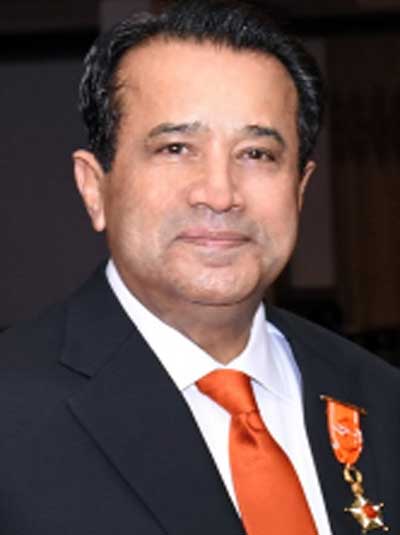

 in Washington)