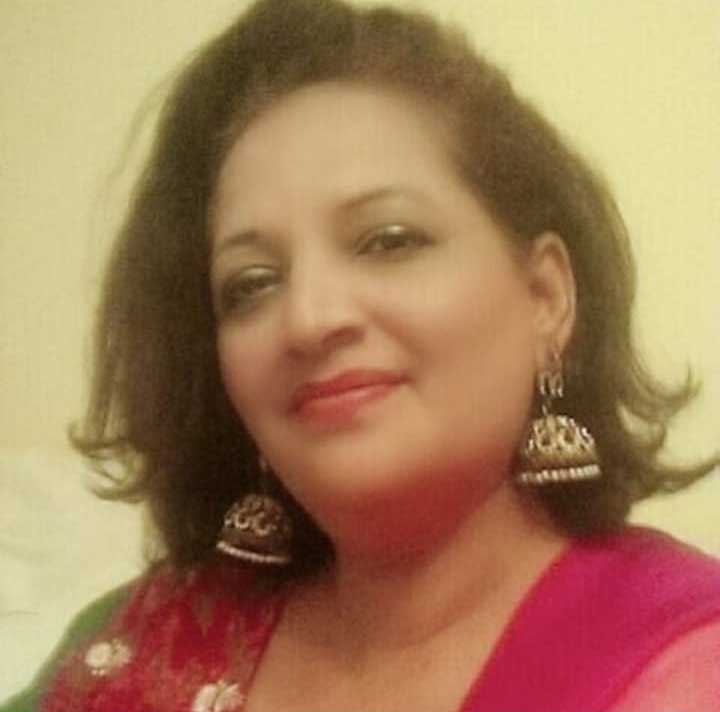
experience of working with all major media houses and foreign media. She also heads a platform for female journalists, Pakistan Council of Media Women”
KARACHI: For Ayesha, crossing a busy Karachi street used to mean waiting for help. Today, a simple white cane and a smartphone app let her do it alone. She is one of thousands of differently-abled people in Pakistan who are finding independence not through sympathy, but through devices. Pakistan Legal United Aid, PLUS, the first NGO in the country to take up this cause systematically, is trying to make that independence available to more than just a few.
Wheelchairs that cost a month’s salary. Hearing aids that break with no repair shop. Screen readers most schools have never heard of. For Pakistan’s differently-abled community, daily life is a series of barriers. PLUS is the first organization to tackle it head-on, bringing assistive devices from a luxury to a right – one person at a time.
According to PLUS CEO Mr. Altaf Khoso, the organization initially started by taking up cases of child abuse, domestic violence and gender-based violence, offering free legal services to those who could not afford to fight battles in court. In 2020, Khoso said, PLUS shifted its focus to serve “special people” who have no voice in society. A renowned advocate with 18 years of law and courtroom experience, he added that PLUS became the pioneer in Sindh to start skill development programs for differently-abled people, including those in prisons. Speaking to TFD, he said, “the goal now is rehabilitation – using assistive devices to restore independence and dignity.”
Elaborating on his mission, Khoso said the initiative is grounded in Sections 18 and 33 of the Sindh Empowerment of Persons with Disabilities Act, 2018, Article 25 of the Constitution of Pakistan, and Articles 9 and 13 of the United Nations Convention on the Rights of Persons with Disabilities, which guarantee accessibility, equality before the law, and effective access to justice.
While designated courts for differently-abled people were notified in Sindh in 2019 for each district, justice sector institutions continue to face challenges relating to physical accessibility, communication barriers, assistive technology availability, and procedural accommodations. As a result, persons with disabilities often experience difficulties in participating effectively in legal proceedings, resulting in delays and barriers in obtaining timely justice.
Recognizing these challenges, our NGO took the challenge head on and diverted all its efforts toward an accessible and inclusive justice system envisioned under the Sindh Empowerment of Persons with Disabilities Act, 2018. Through sustained advocacy, awareness, capacity building, and practical accessibility interventions, the initiative seeks to make courts more responsive to the needs of persons with disabilities.
Mr. Khoso said, “Pakistan’s lower and judicial courts are not built for differently-abled people. There are no ramps, no wheelchairs, no elevators. Accessibility to justice is almost zero in our system,” he told TFD. “For a person using a wheelchair, even entering a courtroom means depending on strangers to be carried up the stairs. For a hearing-impaired person, there is no sign language interpreter. For a visually impaired person, there are no documents in braille.”
The burden is even heavier in Karachi. Mr. Khoso pointed out that the City Court is recognized as one of the most overloaded courts in Asia. “There are no ramps, no wheelchairs, no elevators. Accessibility to justice is almost zero in our system,” he told TFD.
In such crowded courts, a wheelchair user has to be carried up the stairs. A deaf person finds no sign language interpreter. A visually impaired person gets no documents in braille. As a result, many differently-abled people never file a case at all. “They are excluded before the hearing even begins,” Khoso said.
This systemic failure is what pushed PLUS, in 2020, to shift focus – from only legal aid to rehabilitation and skill development, including assistive devices that give people mobility and dignity outside the courtroom.
The Sindh government, Khoso acknowledged, is trying to introduce reforms and provide assistive devices. But he said the need is far greater than what is currently available.
“There is a great need to spread this network across all 31 districts of Sindh,” he told TFD. Right now, most services and devices are concentrated in Karachi. In rural districts, differently-abled people still have no access to wheelchairs, hearing aids, or even basic legal facilitation.
He highlighted Secretary SPDPA, Mr. Taha Farooqi, and Director General Mr. Farooq Leghari, along with officials like Mr. Aitbar Buriro and Dr. Ratana Dewan, as following the spirit of the Sindh government to support special people. According to him, both officials are actively updating policies and helping NGOs that are focused on the needs of differently-abled people. “The government has realized it cannot do this alone,” Khoso told TFD.
“They are now reaching out, listening to NGOs, and trying to fill gaps together.”
For PLUS, Khoso said, an assistive device is not charity. “It is a tool for access to justice. A wheelchair means a person can get to the hearing. A hearing aid means they can hear the judge. A white cane means they can navigate the court corridors independently. But right now the system expects them to manage without any of this. So we have to provide it.”
Despite government efforts, Khoso said the gap remains huge. “Justice cannot wait. In 31 districts, people are still fighting cases without a ramp, without a device, without support,” he told TFD. He urged the government to scale reforms with NGOs so that differently-abled people are not excluded before their case even begins.
He added that this coordination is important because most of the ground work – distributing devices, running skill programs in prisons, and providing legal facilitation – is still being done by organizations like PLUS. For reforms to reach all 31 districts of Sindh, the government will have to keep partnering with NGOs who already have the network and experience.
For PLUS, Khoso said, an assistive device is not charity. “It is a tool for access to justice. A wheelchair means a person can get to the hearing. A hearing aid means they can hear the judge. A white cane means they can navigate the court corridors independently. But right now the system expects them to manage without any of this. So we have to provide it.”
Despite government efforts, Khoso said the gap remains huge. “Justice cannot wait. In 31 districts, people are still fighting cases without a ramp, without a device, without support,” he told TFD. He urged the government to scale reforms with NGOs so that differently-abled people are not excluded before their case even begins.
He added that this coordination is important because most of the ground work – distributing devices, running skill programs in prisons, and providing legal facilitation – is still being done by organizations like PLUS. For reforms to reach all 31 districts of Sindh, the government will have to keep partnering with NGOs who already have the network and experience.