

Manzar Naqvi
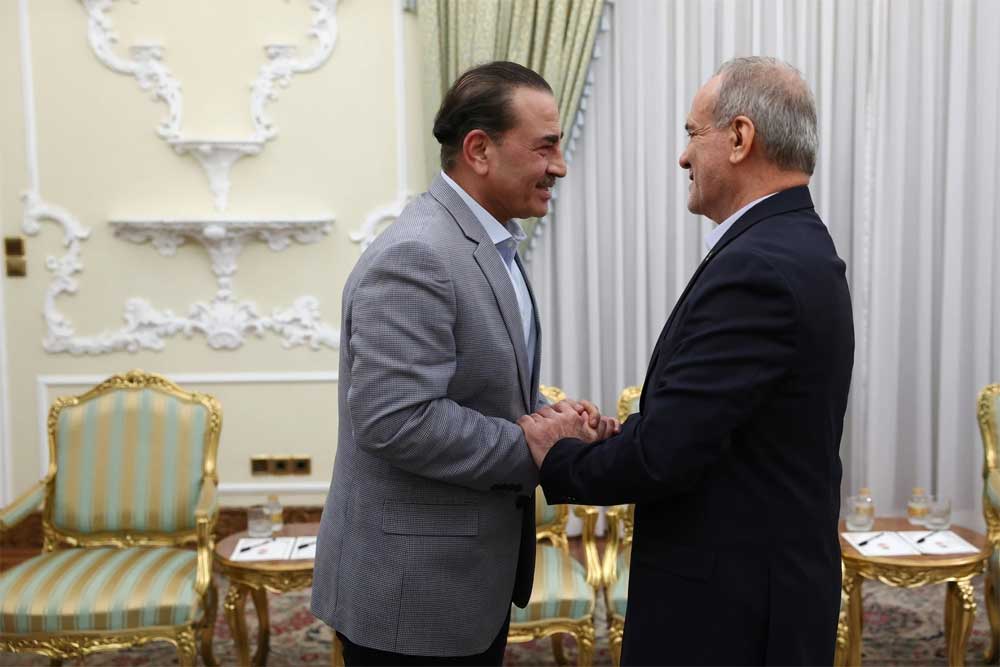
KARACHI: Pakistan’s Chief of Army Staff and Chief of Defence Forces, Field Marshal Syed Asim Munir, arrived in Tehran on Tuesday at the head of a high-ranking delegation for important consultations with Iranian leaders on bilateral relations, regional developments and ongoing diplomatic efforts aimed at reducing tensions in the region.
Iran’s official news agency IRNA confirmed Field Marshal Munir’s arrival in the Iranian capital, saying he would hold discussions with senior Iranian authorities during the visit. His first scheduled engagement is with Iranian Foreign Minister Abbas Araghchi.
The talks are expected to cover Pakistan-Iran relations, evolving regional developments, diplomatic processes aimed at de-escalation, as well as a range of international issues of mutual interest.
The visit assumes particular significance amid continuing tensions involving Iran and the United States and renewed diplomatic efforts to prevent further escalation in the Middle East.
Pakistan has played an active mediatory role between Washington and Tehran during the year and has repeatedly called for dialogue and diplomacy as the only sustainable means of resolving outstanding disputes. Reuters reported ahead of the visit that earlier talks between Field Marshal Munir and Iranian leaders had focused on preventing further escalation, reopening the Strait of Hormuz and accelerating efforts to end the conflict.
Pakistan’s Foreign Office has also previously described Field Marshal Munir’s engagements with the Iranian leadership as part of Islamabad’s continuing efforts to facilitate de-escalation and encourage a negotiated settlement. During an earlier Tehran visit in August, discussions focused on regional peace, breaking the military stalemate and restoring stability through diplomacy.
The latest visit comes at a particularly sensitive time for the region, where developments in the Gulf and wider Middle East continue to pose challenges to security, energy supplies and international trade.
Pakistan has maintained that prolonged confrontation would not only affect the directly involved countries but could have serious consequences for the wider region. Islamabad has therefore sought to keep communication channels open with Tehran as well as other regional and international stakeholders.
Field Marshal Munir’s visit also highlights the importance Pakistan attaches to its relations with neighbouring Iran.
The two countries share a long border and have repeatedly stressed the need for closer cooperation in border security, counterterrorism, trade and regional stability. Recent bilateral engagements have also focused on facilitating cross-border trade and improving coordination between the two neighbours.
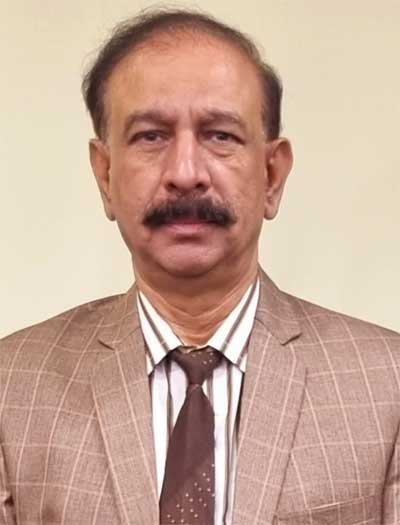
According to reports, Interior Minister Mohsin Naqvi is also accompanying the Pakistani delegation during the visit.
The Iranian leadership and Pakistani officials have maintained frequent contacts in recent months as Islamabad continues efforts to encourage political solutions to regional disputes.
Pakistan has consistently maintained that peace and stability in Iran and the broader Gulf region are directly linked to Pakistan’s own security and economic interests. Any major disruption in regional trade routes or energy supplies could have consequences for Pakistan as well as the wider international economy.
Field Marshal Munir’s meeting with Foreign Minister Araghchi is therefore expected to provide an opportunity to review the latest diplomatic situation and exchange views on possible steps toward easing tensions.
The visit also takes place against the backdrop of Pakistan’s broader diplomatic engagement with Iran, Saudi Arabia, Türkiye, Qatar and other regional states as Islamabad seeks to promote dialogue while maintaining balanced relations across the region.
Pakistan’s Foreign Office has repeatedly stated that the country supports peaceful settlement of disputes, respect for sovereignty and sustained diplomatic engagement rather than military confrontation.
The Tehran visit is expected to reinforce that position while providing both sides an opportunity to discuss measures for strengthening bilateral cooperation.
Further meetings with senior Iranian political and security officials are expected during Field Marshal Munir’s stay, with regional de-escalation, bilateral cooperation and wider international developments likely to remain at the centre of discussions.
The outcome of the visit will be closely watched as Pakistan continues to position itself as an important diplomatic interlocutor in efforts aimed at reducing regional tensions and promoting a negotiated path towards lasting peace and stability.