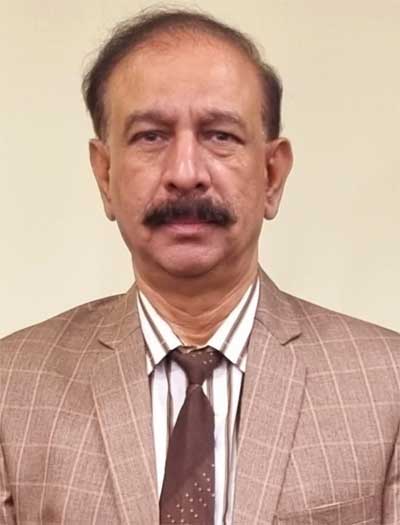
“The US-Iran de-escalation has eased oil markets. Pakistan should now leverage its diplomatic capital into long-term economic gains”, says Shahzad Arif
TFD Report
KARACHI: “When U.S. President Trump and Iranian President Pezeshkian signed the interim Islamabad Memorandum of Understanding on 17 June extending the fragile ceasefire in the 2026 conflict and paving the way for the reopening of the Strait of Hormuz; most capitals viewed it primarily as a diplomatic breakthrough. Pakistan, however, should regard it as a significant economic opportunity. The agreement offers Islamabad a rare chance to convert its diplomatic success into long-term economic dividends,” says Shahzad Arif.
“Let us be precise about what this is,” says Shahzad Arif, CEO of AKS iQ and a veteran of more than two decades in Pakistan’s technology sector. “This is not yet a signed peace treaty. It is an interim framework, brokered largely by Pakistan with Qatar and advanced through talks hosted in Switzerland, with the hard questions on Iran’s nuclear programme and sanctions still being negotiated. The process is young and there have been tense moments since, but the direction is unmistakably toward calm, and that direction alone has moved markets in ways that matter enormously for us.”
The clearest effect is on oil. Brent, which spiked above $120 a barrel during the war, has fallen back to around $72, with forecasters projecting further softening into next year. “For a country that imports over eighty percent of its oil, this is a direct fiscal dividend,” Arif notes. “Our own budget states that a forty-dollar oil shock could add 0.8 percent of GDP to the deficit. That pressure is now easing rather than mounting, steadying the rupee, cooling inflation and giving us room we did not have three months ago.”
Diplomacy has value well beyond barrels. “Pakistan has emerged as an indispensable diplomatic actor, and that is a significant achievement worthy of recognition,” says Shahzad Arif. “The next step is to translate that diplomatic capital into tangible economic outcomes attracting foreign investment, expanding export markets, and strengthening international economic partnerships. A more stable regional environment also gives Pakistan’s technology and services sectors the confidence to invest, innovate, and pursue long-term growth.”
That is where the strategic thread runs. “A calmer Gulf lifts every Pakistani export, and especially our digital economy. Stable energy costs power our IT parks. Regional confidence brings the investment that scales our software houses. And our record remittances, now set to close the year above $41 billion and largely sourced from the Gulf, remain a lifeline. Peace on our western flank is, quietly, an IT-export strategy.” He added.
His counsel to policymakers is to build boldly on the moment. “This is a moment of real opportunity, and Pakistan should seize it with confidence. Let us use this window to deepen trade with Iran and the Gulf, to press for the sanctions clarity that could one day revive regional energy links, and to position Pakistan as the stable, connected hub between these markets. We helped broker the calm. Now let us be the first to build on it. The talent and the moment are both here, and the momentum is ours to carry forward.” CEO AKSiQ, Shahzad Arif tells The Financial Daily.