


Zafar Hussain
BEIJING: Pakistan’s liquefied petroleum gas (LPG) sector stands at an important crossroads. For millions of households outside the natural-gas network, as well as restaurants, small businesses and industries, LPG is an essential source of energy. Yet the debate often focuses narrowly on monthly price notifications rather than addressing the structural weaknesses that affect supply, safety and affordability.
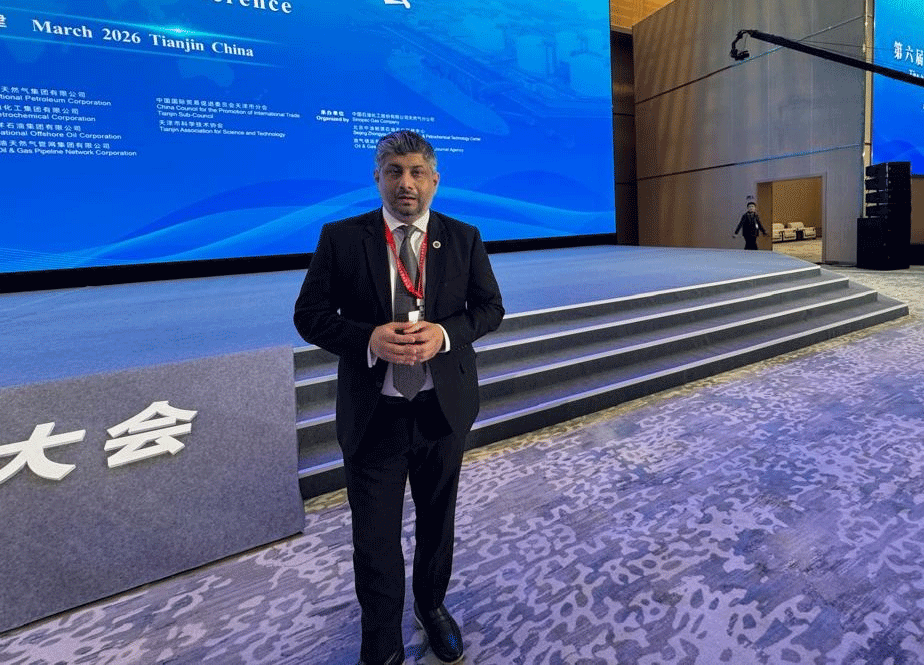
Owais Mir is CEO of Dynamic Group and an entrepreneur in Pakistan’s energy and engineering sector expressed that Pakistan needs a comprehensive LPG market reform that can ensure transparent pricing, secure supplies and stronger safety standards. This reform could also create new opportunities for China-Pakistan cooperation, particularly in energy infrastructure, digitalization, storage, logistics and safety technologies.
Mir told international media that a transparent national pricing framework should clearly reflect the costs of locally produced and imported LPG. At the same time, Pakistan should develop strategic storage facilities at import terminals and key inland hubs to strengthen supply resilience, particularly ahead of periods of high seasonal demand.
“China’s experience in digital supply-chain management and smart infrastructure can offer valuable lessons for Pakistan. End-to-end digital traceability of LPG from import contracts and customs clearance to storage and final distribution could improve transparency while helping regulators identify supply risks and market irregularities in real time”, he added.
Owais further said that there is also considerable scope for Chinese technology and investment in modern LPG storage, automated measurement systems, cylinder testing, safety equipment and smart monitoring. Cooperation between Pakistani and Chinese companies could help establish safer and more efficient LPG distribution networks, particularly in underserved areas.
“Pakistan should also rationalize the highly fragmented LPG market by encouraging technically capable, financially sound and accountable operators. Licensing should be linked to safety performance, tax compliance, storage access, trained personnel and digital reporting rather than simply functioning as a commercial asset”, Mir stated.
He said that for Pakistan, LPG reform is not simply an energy-sector issue. It can become a platform for deeper China-Pakistan cooperation, attracting technology, investment and expertise while building a safer, more transparent and resilient energy market.
 sector stands at an important crossroads. For millions of households outside the natural-gas network)