Syeda Kisaa Jafri
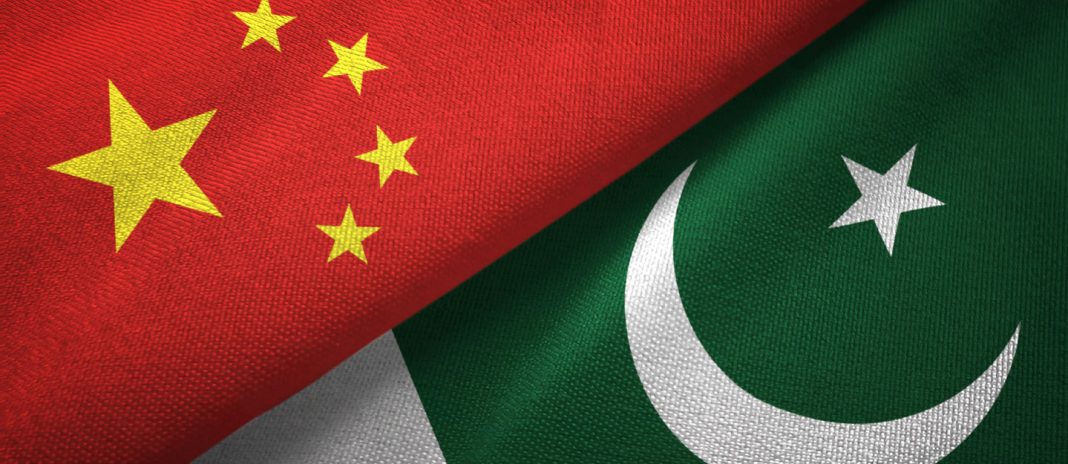
For most of the past decade, the economic story between China and Pakistan was written in concrete and steel — highways, power plants, and the sprawling infrastructure buildout of the China-Pakistan Economic Corridor (CPEC). In 2026, a year that marks 75 years of diplomatic relations between the two countries, that story is visibly turning a page. The relationship is still anchored by CPEC, but it’s increasingly being layered with new financial instruments, new sectors, and a broader industrial partnership that looks less like a construction project and more like genuine economic integration.
A Symbolic First: Pakistan’s Panda Bond
Perhaps the clearest marker of this shift came in May 2026, when Pakistan issued its first-ever Panda Bond — a yuan-denominated debt instrument sold directly into China’s onshore capital market. The three-year bond, worth $250 million, came backed by guarantees from the Asian Infrastructure Investment Bank and the Asian Development Bank, giving international investors added confidence in a market that has historically been seen as higher-risk.
Pakistani officials have described the move as more than a routine financing exercise. It represents the country’s relationship with China moving into an entirely new domain — from bilateral trade and infrastructure lending into China’s own domestic financial architecture. Some analysts have gone as far as to argue that this moment carries even greater long-term significance than earlier milestones in the broader China-Pakistan relationship, precisely because it signals financial integration rather than just aid or project financing.
CPEC’s Second Phase
None of this means infrastructure cooperation has taken a back seat — if anything, 2026 has been framed explicitly as the year CPEC enters its “second phase.” Where the corridor’s first decade focused heavily on energy generation, highways, and the development of Gwadar port as a logistics hub, this next phase is being positioned around expanding regional connectivity and unlocking Gwadar’s fuller potential as a hub for trade beyond Pakistan’s own borders.
High-level visits between the two countries’ leadership throughout the year — including meetings between Chinese President Xi Jinping and Pakistani Prime Minister Shehbaz Sharif in Beijing — have consistently reaffirmed commitment to accelerating this phase, with both governments describing the relationship as carrying growing strategic weight amid a shifting global economic landscape.
Widening Beyond Infrastructure: AI, Digital Trade, and Industry
The more structurally interesting shift is where new investment is actually flowing. Pakistan-China economic engagement, which for years was defined almost entirely by highways, energy, and ports, is now visibly expanding into artificial intelligence, digital trade, space technology, and broader industrial cooperation. Recent high-level visits have included direct meetings between Pakistani leadership and major Chinese technology companies, alongside participation in bilateral investment forums aimed specifically at expanding business-to-business ties beyond state-level infrastructure deals.
This is a meaningful evolution. Infrastructure investment, by its nature, tends to be front-loaded — once the roads and power plants are built, the flow of new capital naturally slows. Industrial and technology investment works differently: it’s ongoing, it creates recurring trade relationships, and it embeds itself into a country’s consumer economy in ways that infrastructure spending typically doesn’t.
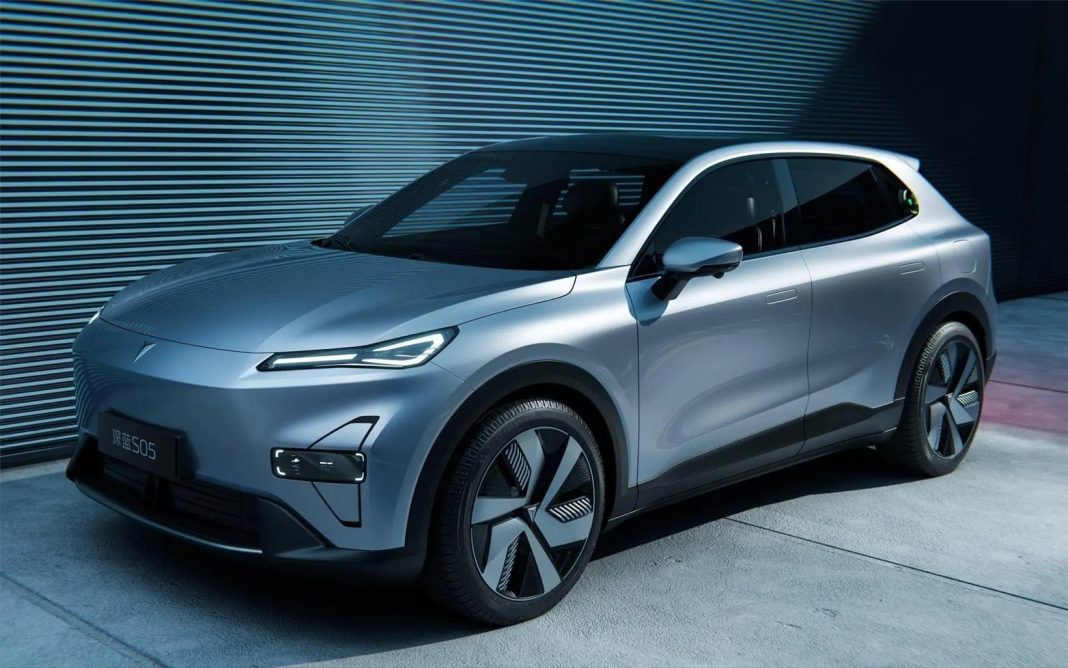
This is also the backdrop against which developments like Deepal’s REEV vehicle rollout in Pakistan make the most sense — not as an isolated automotive story, but as one visible example of a broader pattern: Chinese manufacturers moving beyond exporting finished goods to Pakistan and instead establishing local assembly, technical capability, and long-term market presence within the country. The same logic that’s driving Panda Bonds and AI partnerships is showing up, concretely, in a Karachi factory building electric SUVs.
Security and Institutional Cooperation
Economic integration of this depth doesn’t happen in a vacuum, and 2026 has also seen the two countries formalize security cooperation alongside their financial and industrial ties. Both governments agreed to establish a dedicated China-Pakistan Security Partnership, expand counter-terrorism cooperation, and strengthen protective measures for Chinese personnel and projects operating within Pakistan — a recognition that sustained economic investment requires sustained security guarantees to match it.
On the multilateral stage, China has also expressed support for Pakistan’s role as the incoming rotating president of the Shanghai Cooperation Organisation for 2026 to 2027, giving Pakistan a more prominent platform within a regional bloc where China plays a leading role.
What It Adds Up To
Taken individually, none of these developments — a bond issuance, a CPEC milestone, a tech delegation, an EV factory — would necessarily signal much on its own. Taken together, they describe a relationship that’s maturing past its original template. CPEC built the physical foundation of China-Pakistan economic ties over the past decade; what’s happening in 2026 looks more like the beginning of the next layer being built on top of it — one defined less by construction and more by capital markets, technology transfer, and industrial partnership.
Whether that momentum holds will depend on factors well beyond either government’s economic ministries — regional security, global trade dynamics, and Pakistan’s broader macroeconomic stability among them. But for a relationship both countries have spent 75 years calling “all-weather,” 2026 has, so far, been a year of visible expansion rather than consolidation.